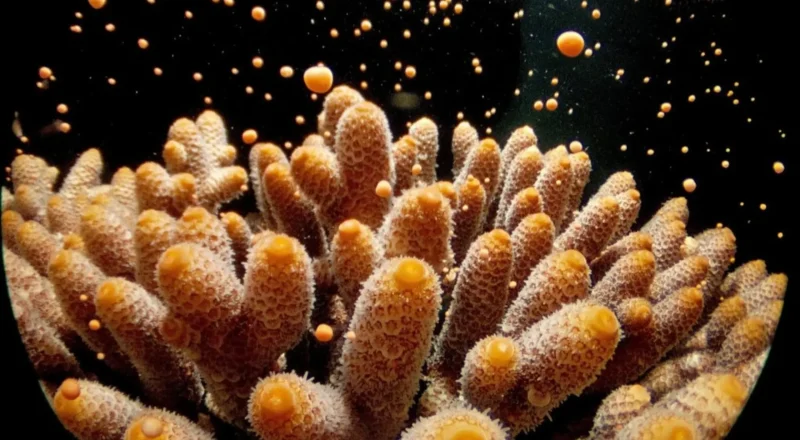
Pontoons vs private charters: where you’ll find the clearest water on the Reef right now. The short answer is that, during stable dry-season weather, both options on the Great Barrier Reef deliver excellent visibility. But when the conditions get tricky, a good quality private charter has a better shot at securing the clearest water – simply because they can change location between reef sites.
Years of sending travellers from Cairns, Port Douglas, and the Whitsundays have given me a keen eye, and I still check the marine forecast before I recommend anything. Fact is, the reef won’t care about your holiday plans – wind shifts, rain falls, swell rolls in. The trick is matching your trip style to the weather.
If you’re planning a Cairns trip, here’s the lowdown on what you really need to know before you lock anything in.
Contents
- 1 What Really Affects Clarity Offshore
- 2 Stability – The Good and The Not-So-Good
- 3 What’s Good About A Platform Day
- 4 The Downside
- 5 Smaller Vessels: The Joy of Being Able to Get Around
- 6 Seasonal Patterns You Should Factor In
- 7 Marine Life Encounters & Underwater Space
- 8 Comfort vs Customisation
- 9 Inshore Islands vs Offshore Sites
- 10 Responsible Tourism & Reef Protection
- 11 Practical Steps Before You Book
- 12 The Bottom Line
- 13 FAQ
What Really Affects Clarity Offshore
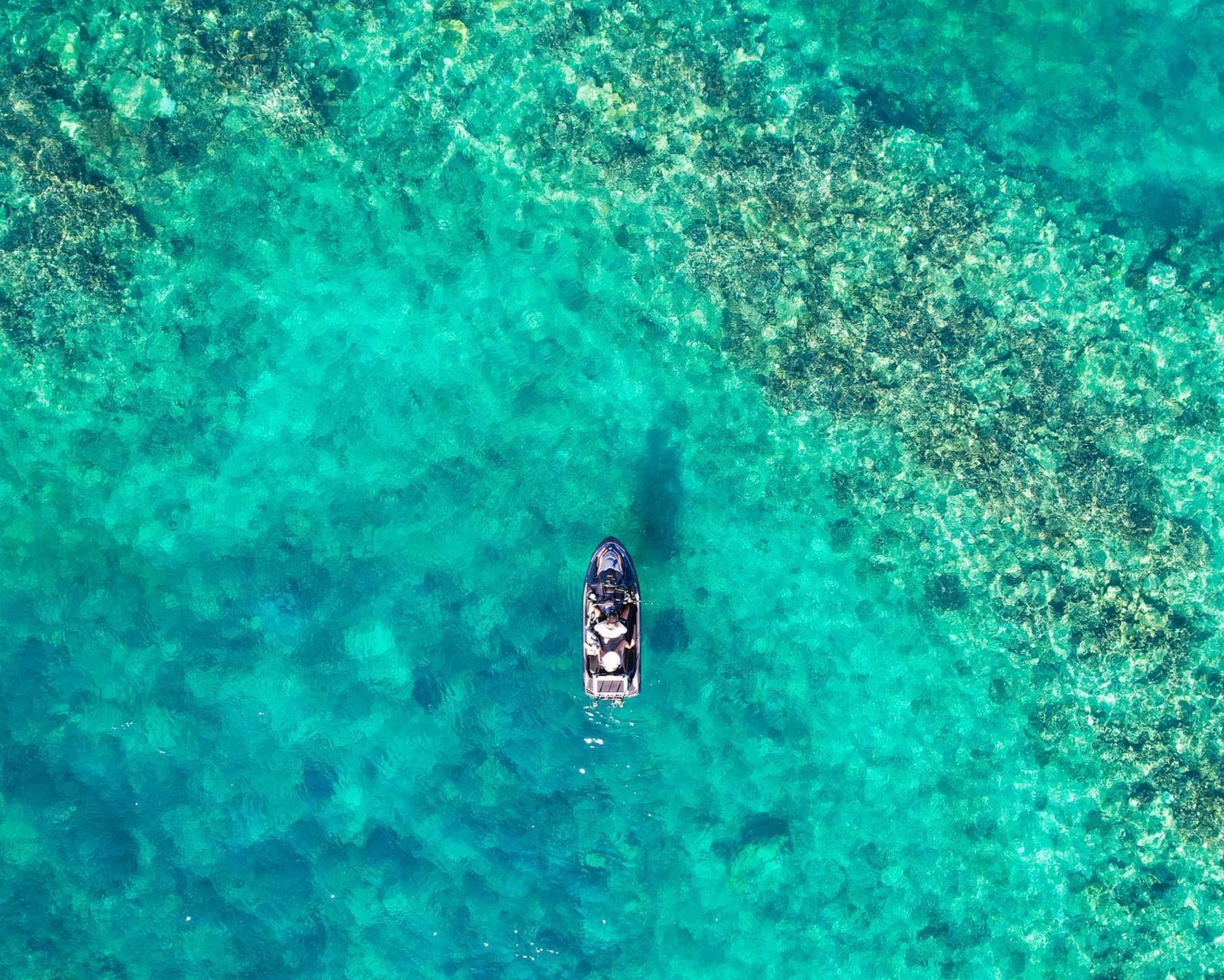
The pictures on brochures won’t give it away, but water clarity across the Great Barrier Reef is largely driven by weather and location, not clever marketing. The Reef stretches for 2,300 km along the Queensland coast & covers 344,400 square km, which means the water behaves differently under the same conditions.
Reef sites out in the Coral Sea behave very differently from the reefs near river mouths that get washed in by the tide.
The things that make the biggest difference are:
Rain and runoff: When the wet season begins (Dec to March), all the rain is pushed out into the ocean, clouding the water.
Wind direction – Strong winds coming in from the sea kick up the sand on the shallow reef flats
Wave height – Big waves bring sand and silt across the coral formations
Tidal flow – Fast outgoing tides can momentarily cloud up the shallows
Sea temperature – If the water gets too warm, you’ve got to worry about Marine Stingers to
During the dry season (May to October), the rain just about dries up in Far North Queensland – that’s why outer reef visibility tends to be pretty consistent at 15-25m. After heavy rain in the summer, it can be really bad, under 10-15m, depending on where you are.
If you’re booking a trip from Cairns, getting the right offshore spot is what really matters.
Stability – The Good and The Not-So-Good
Large reef platforms are moored on some of the best outer reef sites, hand-picked for their great conditions. In the case of operators like Reef Magic Cruises, they’ve chosen Moore Reef near Cairns – and it’s there for a reason, namely because it’s got a consistent flow of water from the Coral Sea.
What’s Good About A Platform Day
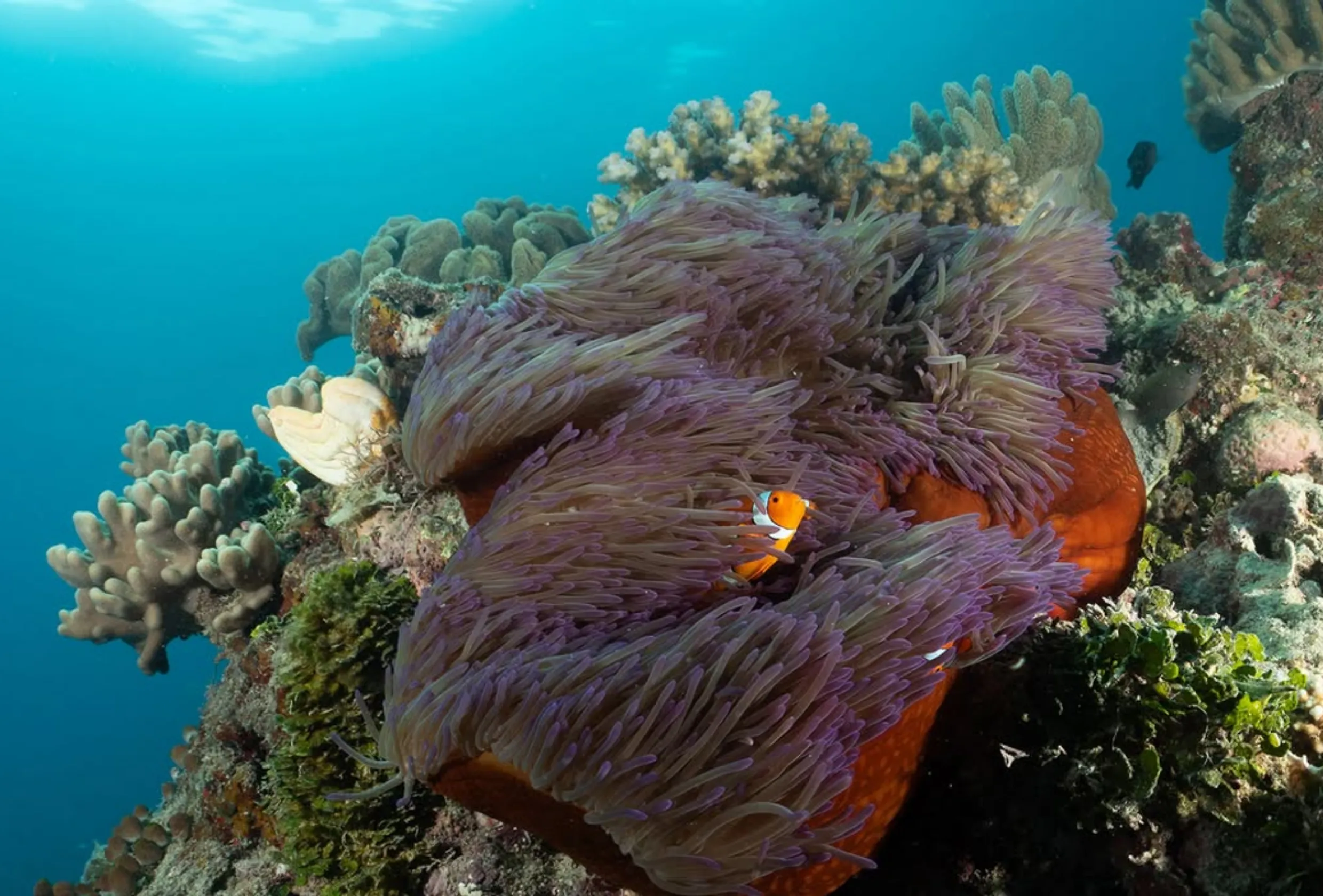
You’ll usually find an underwater observatory to peek over the side of the boat
Glass-bottom boat or semi-submersible rides to get a closer look at the reef below
Plenty of room on the pontoon to sit in the shade and take in the views signposted snorkelling areas for those who need a bit of guidance
Facilities for scuba divers to prepare and gear up a live presentation or two from the marine biologists on hand
It’s a great setup for families or for people who are looking for a relaxed day out. The platform is stable, and the staff are always on hand to assist (or to provide a snorkel tube or a cold drink). And the lunch isn’t too bad either.
When I’ve got families or grandparents with kids in tow, this kind of infrastructure can be the difference between a really nice day out and a complete disaster.
The Downside
The platform doesn’t move. So if the wind picks up overnight and the water gets all stirred up, you’re stuck. You might be able to wander around the coral lagoon gardens nearby, but you’re not going to be able to go chasing after the clearer water that’s 20 nautical miles north.
It’s not a significant issue in the dry season when the weather is relatively stable. But when conditions are marginal, being stuck in one spot can be a real problem.
Smaller Vessels: The Joy of Being Able to Get Around
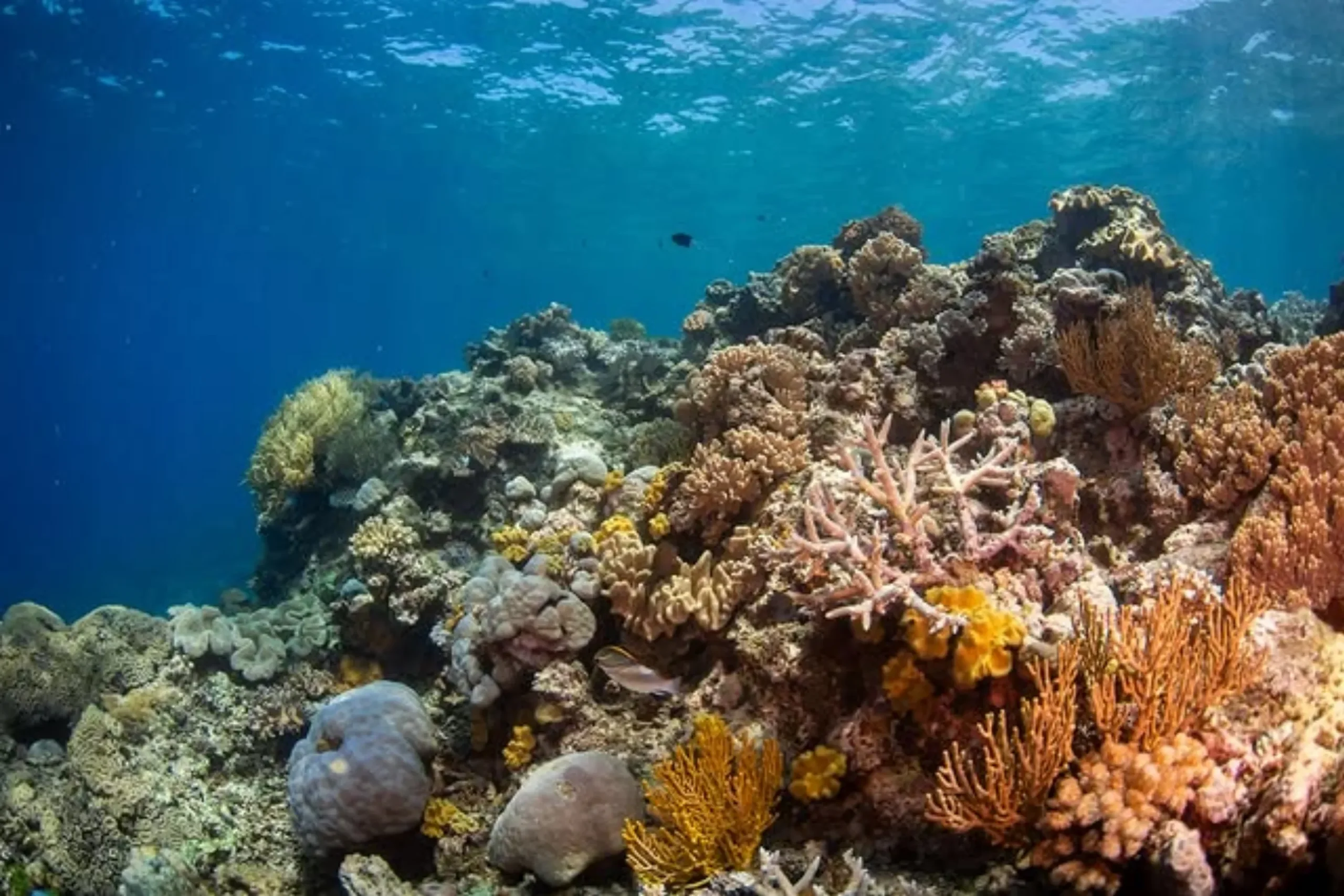
Private charters and smaller boats work in a completely different way. They get to pick from all sorts of reef sites on the day, depending on the wind, swell and recent rainfall.
Boats departing from Marlin Marina or Reef Fleet Terminal may choose among Flynn Reef, Pinnacle Reef, or Upolu Reef, depending on conditions. And the great thing is that they can move around.
I’ve seen days where the water is crystal clear at one reef but a disaster at the next one 40 minutes down the road. A good skipper will know to choose the right spot and take advantage of the good conditions.
If you’re after the clearest water and you don’t mind roughing it a bit, then this approach is probably the way to go – especially outside of the peak season. When I’m working with clients through Autopia Tours, the first thing I look at is the forecast wind direction. That will give me an idea of where the clearer water is likely to be.
Seasonal Patterns You Should Factor In
Here’s a realistic guide for Far North Queensland conditions:
Here’s a realistic guide for Far North Queensland conditions:
| Time Of Year | Typical Outer Reef Clarity | Fixed Platform | Flexible Charter |
|---|---|---|---|
| May–Oct (Dry) | 15–25m | Consistently strong | Excellent; can refine location |
| November | 12–20m | Generally good | Useful flexibility |
| Dec–Mar (Wet) | 8–18m | Variable | Clear advantage of relocating |
| April | 10–20m | Improving | Often strong |
If you’re booking a Cairns tour in July or August, you’re in a pretty sweet spot either way – but if you’re travelling in January after all the rain, just be prepared for it to be a bit of a challenge if mobility is an issue.
Marine Life Encounters & Underwater Space
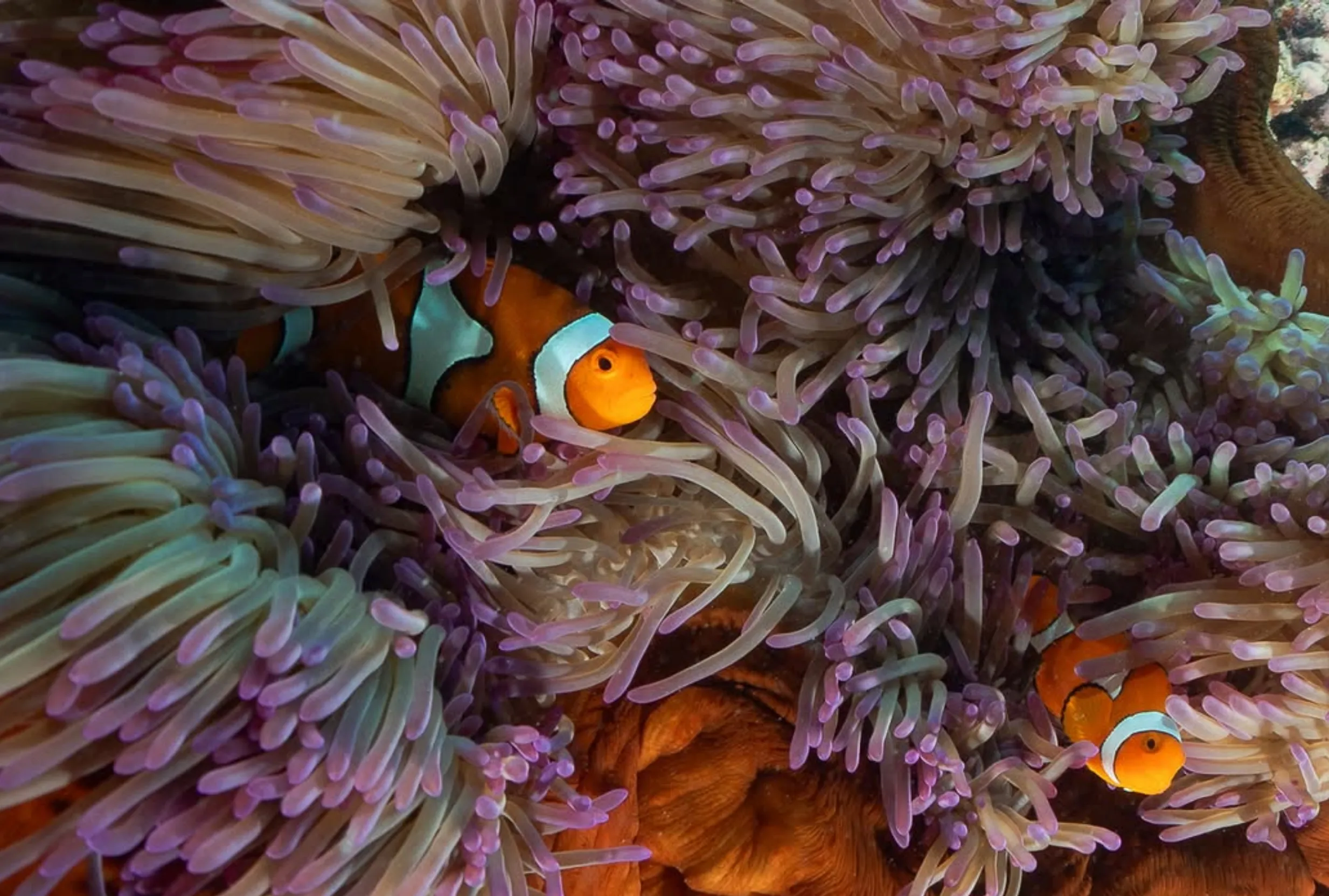
- What you see when you look down is pretty important, but so is how clear the water is.
- When you get to the outer reef sites, you might be lucky enough to spot
- Reef sharks cruise in along a coral wall
- Manta rays gliding past these underwater bumps called bommies
- Eagle rays hanging out in the deeper channels
- Loads of different reef fish are schooling in big groups
If you’re visiting in the right season, you might even catch a glimpse of Humpback Whales (July through to September)
Smaller boats typically mean fewer people in the water at the same time, resulting in less disturbance and clearer snorkelling conditions for longer.
If you visit a platform during school holidays, it may be busier. That’s not to say the quality isn’t still good – it’s just that there are more people around. If you’re after a quieter spot for your snorkelling and you want to be able to snorkel for as long as you want without interruptions, then you might be looking for a charter boat.
Comfort vs Customisation
- Let’s cut to the chase.
- If you want the reliability and security that comes with a fixed platform, then you might choose that because:
- The infrastructure is super stable
- You’ve got access to an underwater observatory
- Snorkelling is organised into different zones
- There’s an option to see the underwater world through a glass-bottomed boat
- You can also do intro helmet diving or helmet diving
If, on the other hand, you value being able to have a more relaxed time and you want to be able to go to lots of different reef sites and snorkel for as long as you want, then a mobile charter is probably the way to go because:
- There are people there
- You can visit loads of different reef sites
- You get a longer time to snorkel
- They can customise your scuba diving experience
- And you’re more likely to have a bit of privacy
It’s all about prioritising what matters to you and being flexible in the face of day-to-day conditions.
Inshore Islands vs Offshore Sites
People often ask about Green Island or Fitzroy Island. These places are beautiful, with coral reefs and rainforest, but the water can be more cloudy because they’re near the coast.
If what you’re really after is crystal clear water and vibrant coral reefs, then the reef sites further out in the ocean are usually going to be a better bet.
And this isn’t just some pretty-words nonsense – this is basic geography.
Responsible Tourism & Reef Protection
The Great Barrier Reef is a UNESCO World Heritage site and is subject to strict regulations for marine park areas. Any reputable operator will follow those rules and contribute to reef conservation efforts, such as reef nurseries and coral health monitoring.
When you’re booking a tour, make sure you look for
- Clear policies around looking after the environment
- A marine naturalist or marine biologist can give you a proper briefing
- All your fees are clearly spelled out
- None of that flaky stuff about upselling things you don’t need
When you travel with a team that’s been doing this for a long time, like Autopia Tours, you benefit from being with someone who knows what they’re doing and follows the responsible tourism standards.
The bottom line is – reef health is everything – you can have crystal clear water, but if the ecosystem is in trouble, then it’s all for nothing.
Practical Steps Before You Book
3 to 5 days before you’re due to leave – check out the marine wind forecast for Cairns or Port Douglas
- Take a look at what the marine wind is going to be like over the next few days.
- Have a word with the operator and ask them what the visibility was like yesterday.
- Get the lowdown on how many reef sites they can choose from for your trip.
- Find out about the sea temperature and whether there’s a chance of marine stingers.
- If you’re planning to dive with certification, make sure you know what to expect from the dive deck setup.
If you’re sorting a Cairns tour for a specific date, being flexible is your best friend – So What to Book?
In calm, dry season weather when the sun’s shining, a well-positioned reef platform at Moore Reef, Norman Reef, or Agincourt Reef is probably going to give you the clear water you’re after, plus all the facilities you need.
In shoulder season or when the weather is being a bit unpredictable, or if the wind patterns look like they’re going to be all over the place, a flexible private charter might just give you the best chance of finding some clearer water.
Is absolute clarity everything for you? Choose the operator that offers the most flexibility.
If comfort & infrastructure are just as important as having a clear view of the reef? A fixed platform is your best option.
The reef rewards preparation over guesswork.
The Bottom Line
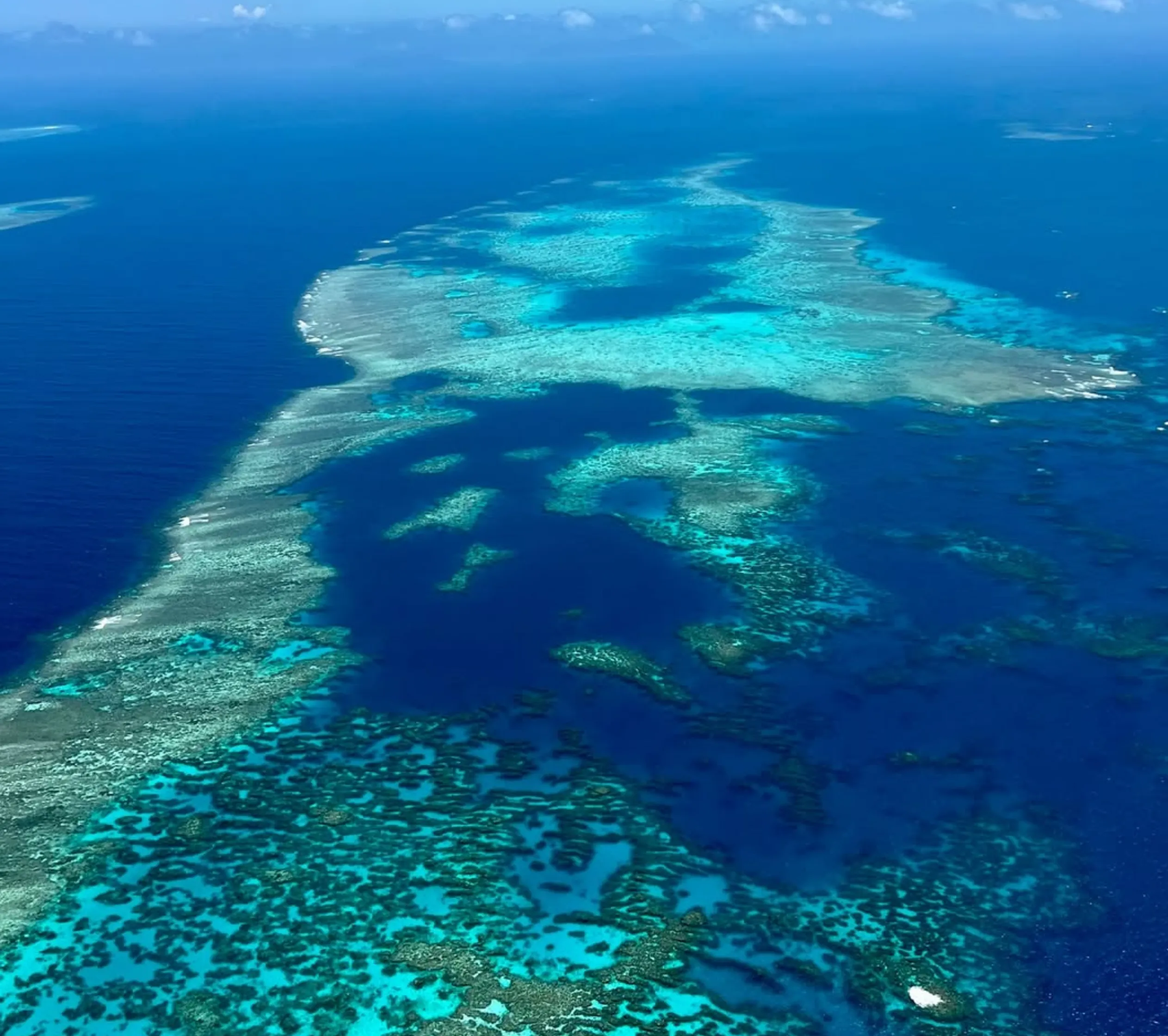
The Great Barrier Reef changes from day to day. The dry season is when you’re most likely to get reliable clarity. Mixed weather, on the other hand, rewards being flexible with your booking
If you’re planning a Cairns tour and want confidence in what you’re getting, skip glossy photos & align your booking with what’s happening around you right now. Whether you go with a structured platform or a nimble charter – understanding how water visibility works puts you in the know & ahead of the crowd.
And if you need help matching dates to the right operator, that’s exactly what we do.
FAQ
Does offshore always mean clearer water?
Generally, yes, it does. Outer Coral Sea reef sites are further from all that sediment runoff than inshore islands.
Is summer always rubbish for snorkelling?
Not at all – many summer days still offer solid clarity offshore, it all depends on what’s happened with rain & wind in the days leading up to your trip
Are marine life sightings different between trip styles?
Both access the good stuff, but smaller groups might get to spend a longer time with the marine life without any distractions
How far offshore do boats actually travel from Cairns?
Most outer reef sites are around 45-70 kilometres out & the trip each way takes about 90 minutes
Can I predict clarity weeks in advance?
You can get an idea of what to expect by looking at the season you’re heading to, but the daily weather really makes a difference – always check the forecast close to your trip date.