Laser tattoo removal in Melbourne is the most popular way to get rid of unwanted tattoos. With advancements in laser tattoo removal technology, procedures are more precise, effective and safer. But one of the biggest concerns of people who are considering this treatment is whether it leaves scars. This article will give you a detailed look into the tattoo removal process, including the factors that affect scarring and how you can minimize the risks for best results.
Contents
How Laser Tattoo Removal Works?
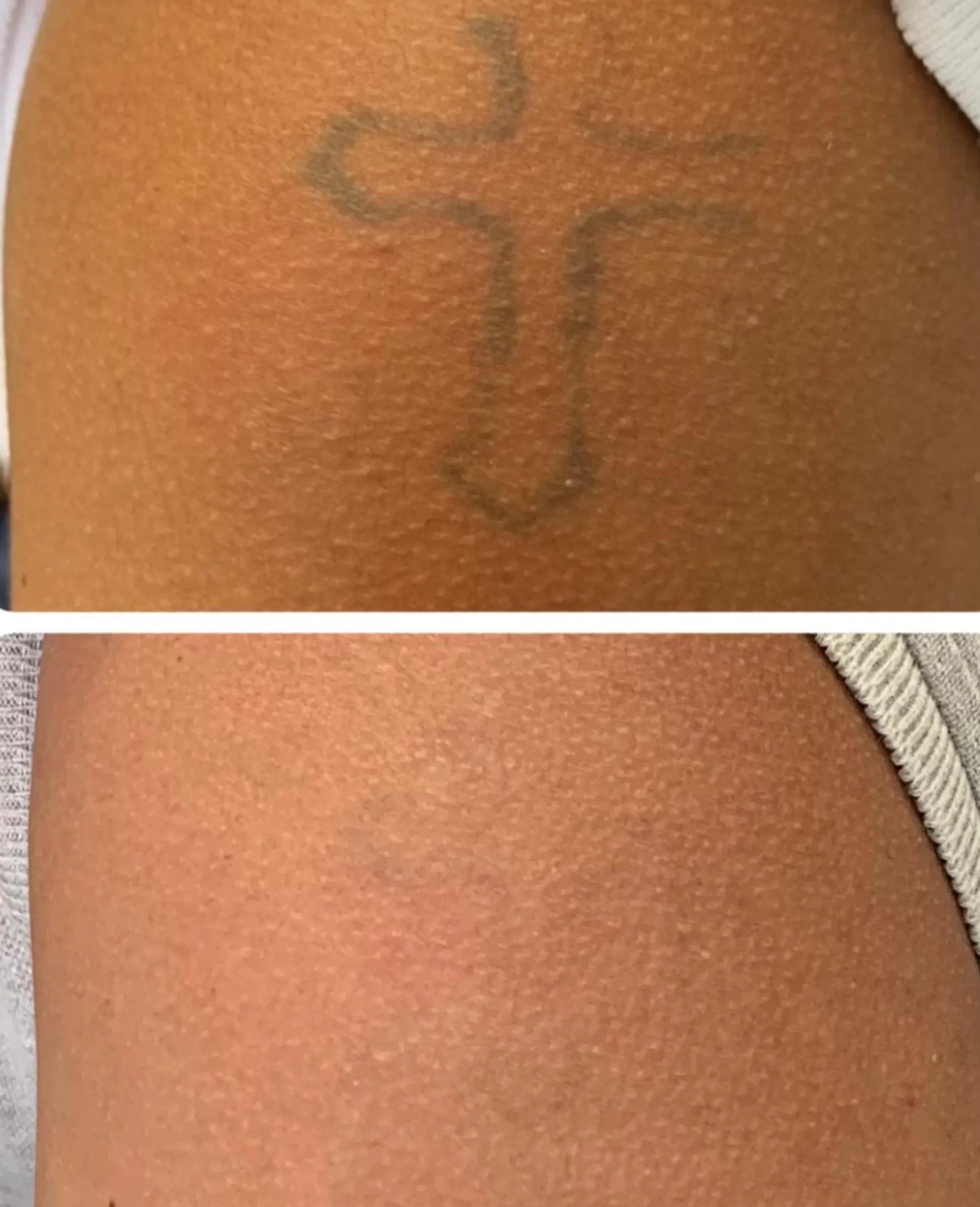
Laser tattoo removal uses high intensity light beams to target and break down tattoo ink particles in the skin layers. The most advanced methods like Q-switched lasers and PicoSure lasers send pulses of energy that fragment the ink into tiny particles. These particles are then naturally flushed out by the body’s immune system, through the actions of white blood cells.
Unlike older methods like cosmetic tattoo removal or chemical peels, laser removal is precise. It targets the tattoo pigments without damaging the surrounding skin. But the success of the process depends on:
- Tattoo colour: Black is easier to remove, green and blue may require more sessions.
- Skin type: Darker skin tones need specialized laser technology to avoid pigmentation issues.
- Tattoo layering: Cover-ups or multi layered tattoos take longer to treat.
- Tattoo age: Older tattoos are easier to remove because the ink has faded over time.
Each session is fast but must be spaced weeks apart to allow the skin to heal. The tattoo removal process can take 5 to 15 sessions depending on the size, location and complexity of the tattoo.
Can Laser Tattoo Removal Cause Scarring?
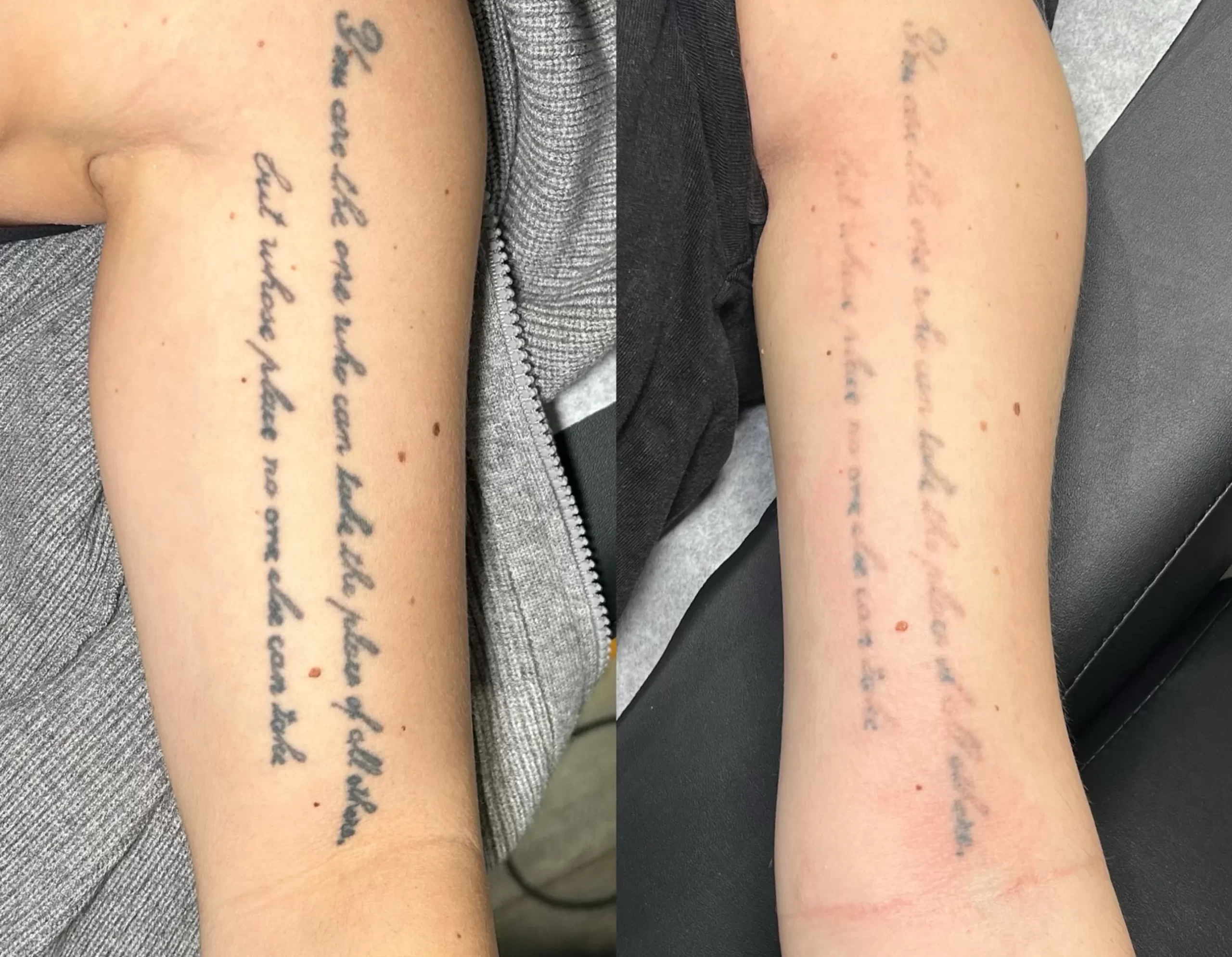
Most of the time laser tattoo removal does not cause scarring when done by a board certified dermatologist or a trained laser tattoo removal technician. However, there are some factors that can increase the risk of scarring:
1. Scarring from the Original Tattoo
- If your original tattoo caused scarring during the tattooing process, this may still be visible after tattoo removal.
2. Skin Type and Colour
- If you have darker skin or a history of keloid scarring you may be more prone to scarring. If you have paler skin you may experience permanent side effects like hypopigmentation.
3. Poor Aftercare
- Not following aftercare for laser tattoo removal (not keeping the area clean, picking at scabs) can result in visible tattoo scarring or infection. Using mild soap, applying ice packs and drinking lots of water are key to proper healing.
4. Advanced Laser and Expertise
- Clinics with advanced laser technology and industry leading dermatologists have minimal risk of scarring. Choose a qualified tattoo removal technician for best results.
5. Skin Health and Medical History
- Your medical history, previous tattoo removal scars and pre-existing skin conditions can impact your healing.
How to Reduce Scarring
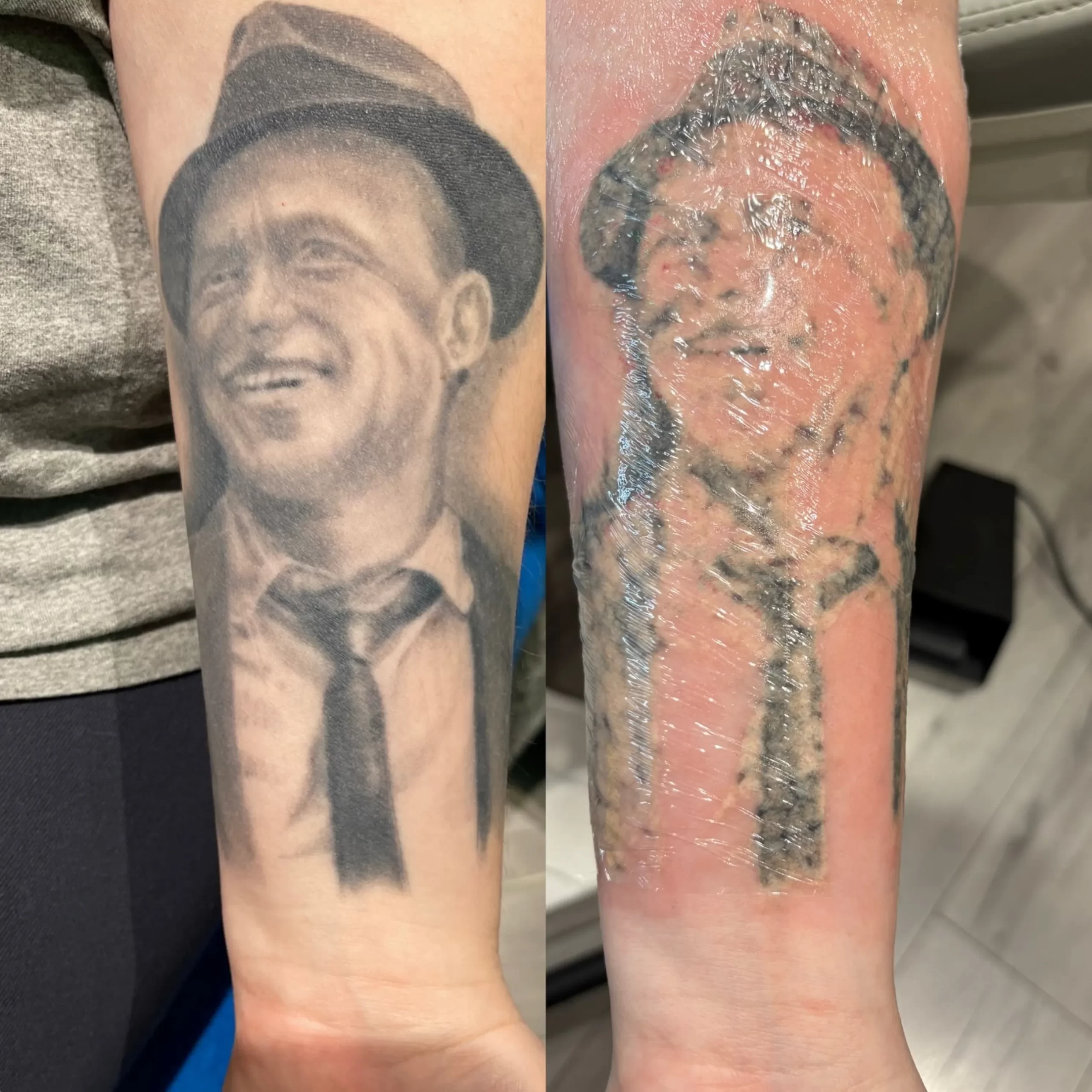
1. Aftercare
- Follow all patient aftercare instructions (keep the tattooed skin moisturized and clean) and avoid harsh skin care products (chemical scrubs or anti-aging skin care) during the healing period.
2. Space Out Laser Tattoo Removal Sessions
- Leave weeks between laser tattoo sessions to give your skin time to heal. Minimize trauma to the skin.
3. Drink and Eat Well
- Improve blood flow and skin health by drinking lots of water and eating a balanced diet.
4. Avoid Sun
- Keep the treated area out of the sun with sunscreen or clothing to prevent skin discoloration or sensitivity.
5. Consult
- Schedule an initial consultation with a qualified laser tattoo removal technician to assess your skin type, tattoo color and overall candidacy for the tattoo removal procedure.
Alternatives to Laser Tattoo Removal
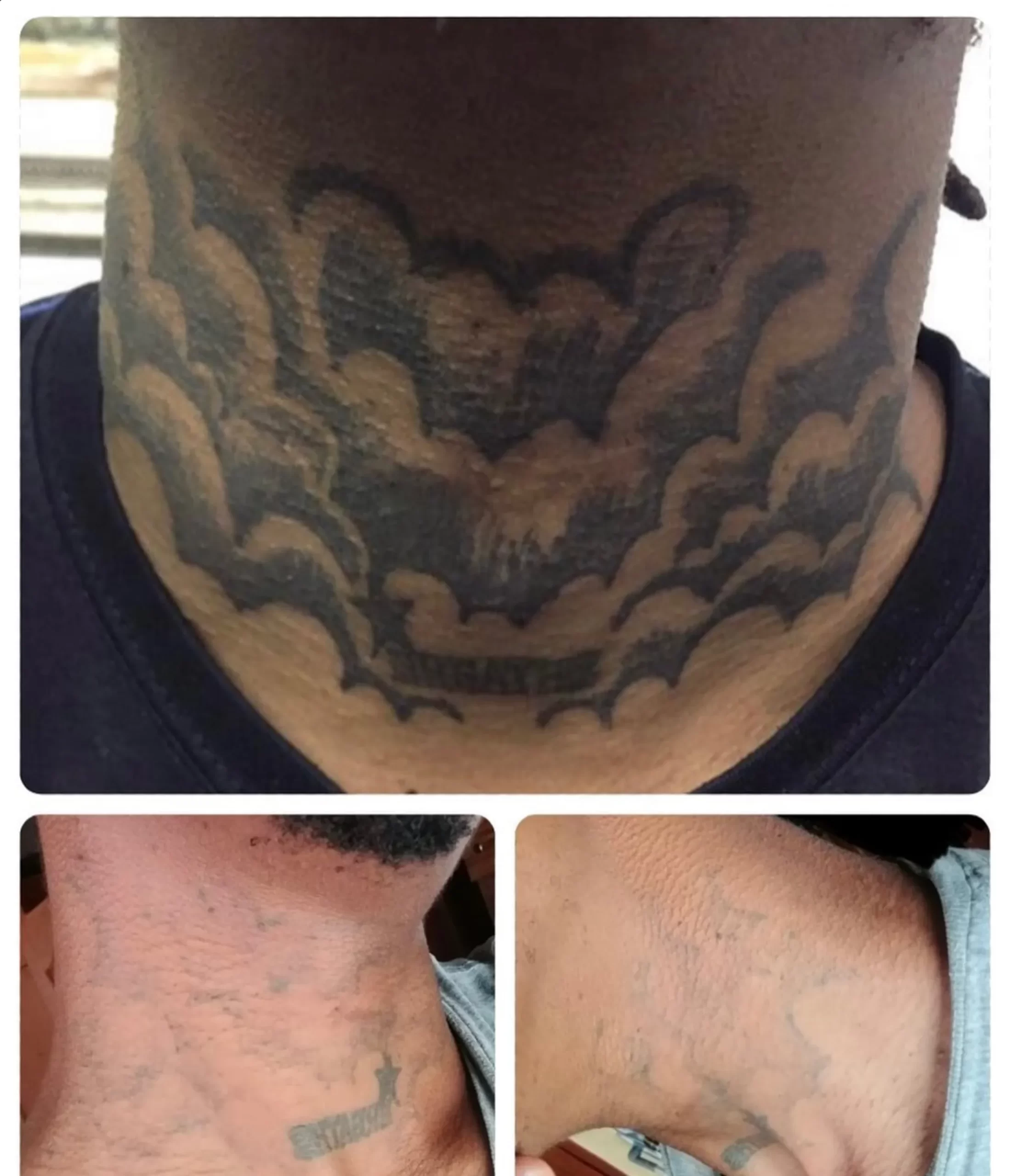
While laser is the most effective, other methods are available:
- Saline tattoo removal: For certain tattoos.
- Tattoo removal creams: Less effective, will fade over time.
- Chemical peels or scrubs: For surface tattoos but higher risk of side effects.
- Cover up tattoos: For cover up patients who just want to hide the tattoo.
Conclusion
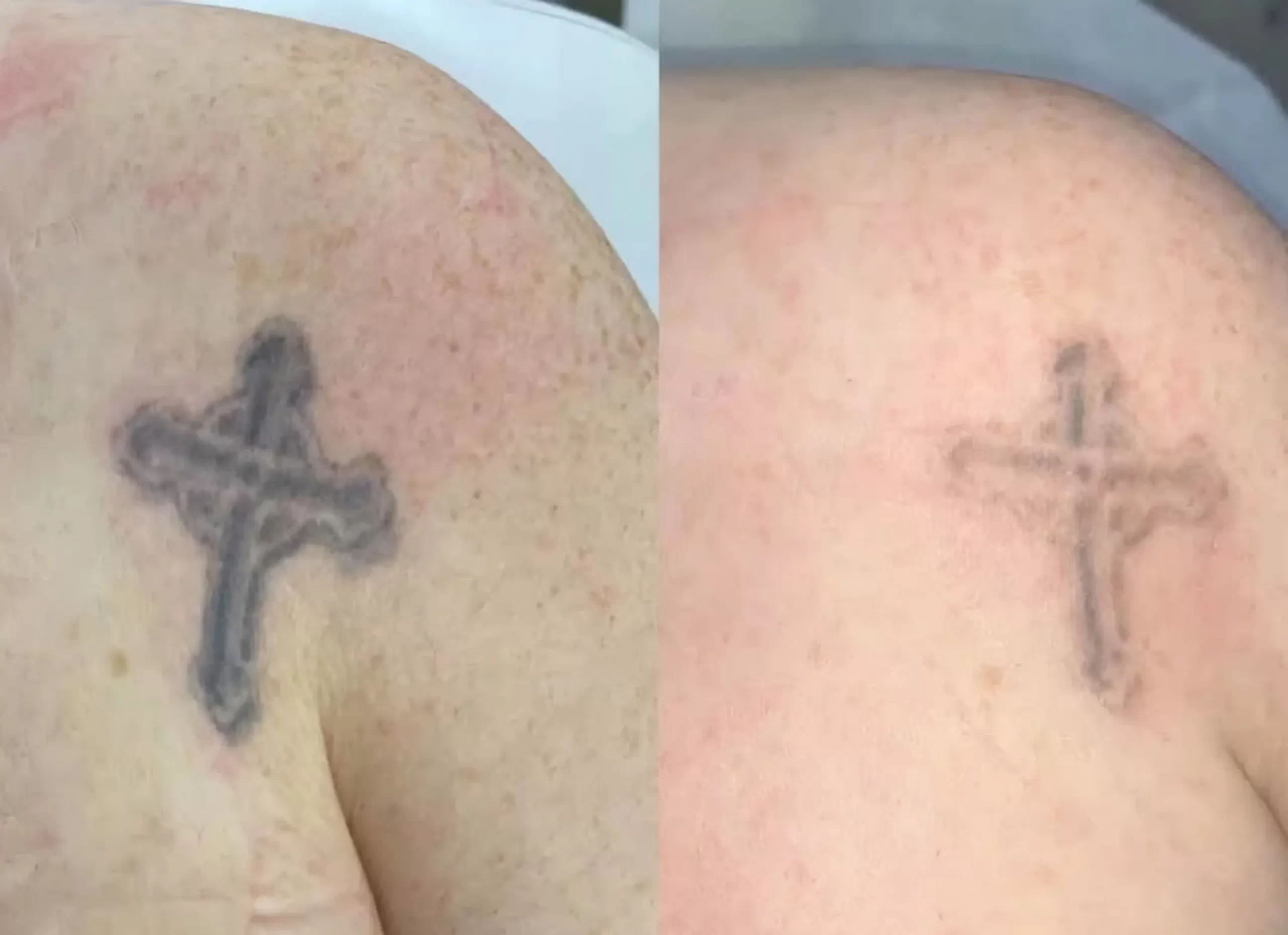
When done by a professional with advanced laser technology, laser tattoo removal doesn’t leave scars. By following aftercare instructions and working with a reputable tattoo removal service you can minimize scarring and get smooth skin.
If you’re thinking of getting this treatment book a consultation with a certified tattoo artist or clinician laser tattoo removal professional to talk about your concerns about scarring from laser tattoo removal.
FAQ
Is it painful?
It can be mildly uncomfortable, often described as a snapping sensation, but numbing creams or over the counter pain medicine can be used to reduce it.
How much does it cost?
Tattoo removal cost varies depending on size, location and colours of the tattoo. Best to consult with a professional for a quote.
What are the side effects?
Common side effects are redness, swelling and blistering which will resolve within a week. Rarely keloid scars or skin colour changes.
How many sessions will I need?
Most tattoos take 5-10 sessions for complete removal depending on colours of ink, skin type and tattoo pigments.
Can darker skin tones get laser tattoo removal?
Yes but people with darker skin tones may need special lasers to minimize the risk of scarring or pigmentation changes.