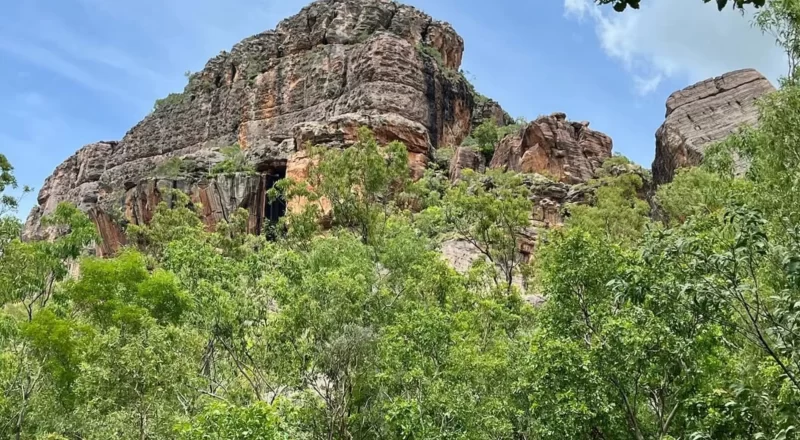
Kakadu National Park, in the Northern Territory, is a big nature with rich culture, lots of land, lots of wildlife. A UNESCO World Heritage Site, it’s got rock art galleries, monsoon rainforest, tidal flats, wetlands. Kakadu is a land of extremes, wet season (November – April) and dry season (May – October), each with its own experiences.
This amazing park is jointly managed by Parks Australia and the Indigenous people, mainly the Bininj/Mungguy people who have been here for over 65,000 years. Their living culture is part of the land, from the rock art sites at Nourlangie Rock, Ubirr, and Anbangbang Billabong to sacred sites in the stone country.
A Land of Many Ecosystems
Kakadu National Park is full of different landscapes, with extremes and season changes. The park’s ecosystems range from tidal flats and floodplains to monsoon rainforest, rocky escarpments, savannah woodlands. Each of these environments is important for Kakadu’s biodiversity.
1. Wetlands and Floodplains
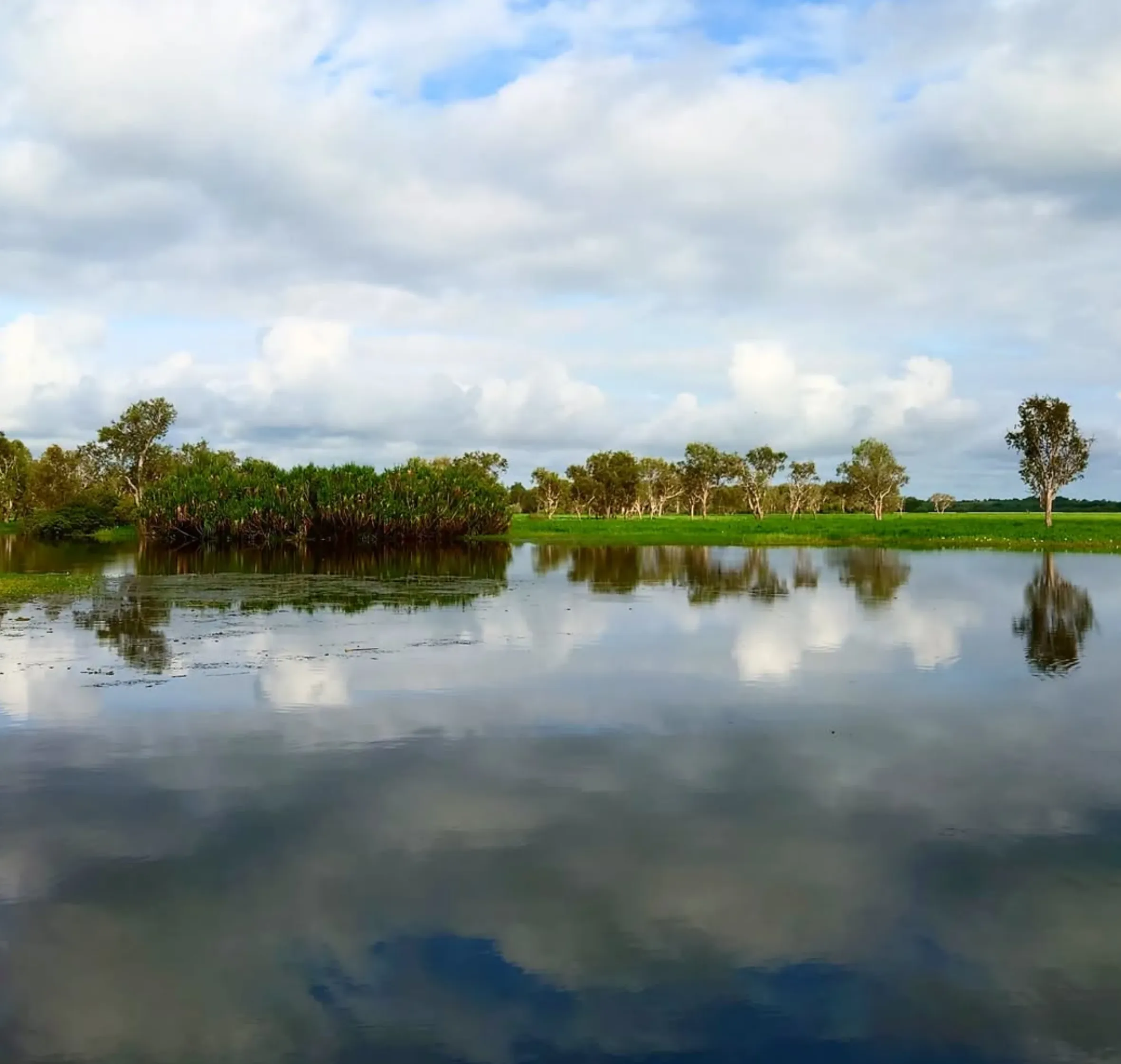
One of the park’s most popular features is the Yellow Water Billabong, a massive wetland that attracts thousands of Australian birds and other wildlife. During the wet season the floodplains grow and there’s an absolute abundance of water for migratory birds like magpie geese, jabirus and brolgas. The award winning Yellow Water Billabong cruise gives you the chance to see these animals up close, as well as saltwater crocodiles and freshwater crocodiles (Crocodylus johnstonii) hiding in the muddy water
2. Stone Country and Escarpments
The stone country of Kakadu is rugged and dramatic with ancient rock art and towering rock formations that have been standing for millions of years. Famous sites like Nourlangie Rock, Ubirr and Anbangbang Billabong have Aboriginal rock paintings that tell stories of the Dreamtime, hunting practices and Indigenous people’s connection to the land.
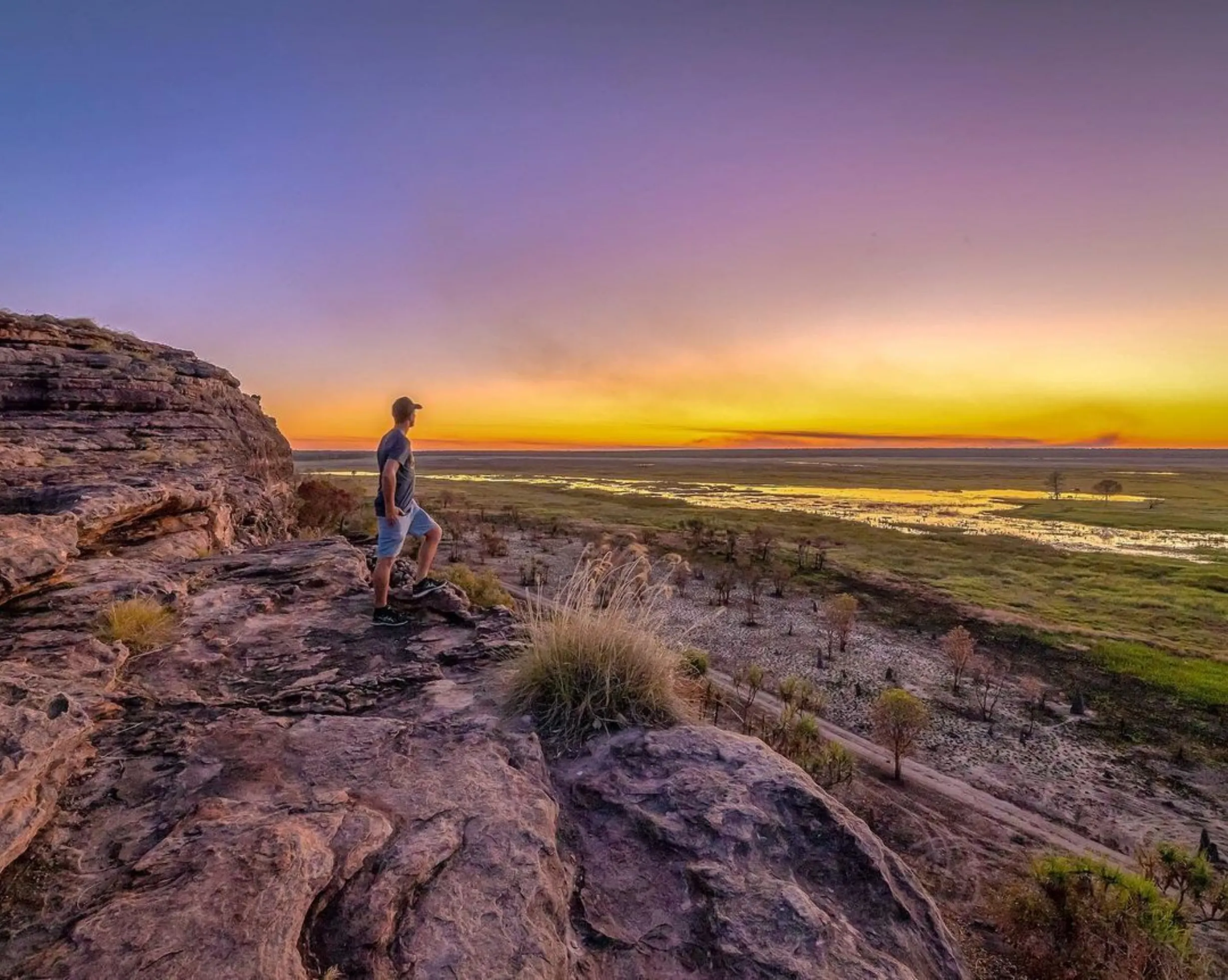
This area is also home to rare species like chestnut-quilled rock pigeons that live in the escarpments and rocky outcrops. The scenic flights over Arnhem Land give you breathtaking views of this unique landscape.
3. Monsoon Rainforests and Woodlands
The monsoon rainforests dominated by trees like Allosyncarpia ternata are a cool retreat for wildlife and visitors. They are home to a huge variety of fauna like brown bandicoots, black wallaroos and wild horses. These forests regulate body temperatures for many species and provide shade during the cold weather season.
4. Termite Mounds and Savannah Grasslands
The termite mounds of Kakadu are amazing structures built using termite saliva to reinforce them. These mounds can house millions of termites and are crucial to the ecosystem by breaking down plant material and enriching the soil.
Animal Life
Kakadu is one of the most biodiverse places in Australia with over 2,000 plant species, 280 bird species, 60 mammal species and 120 reptile species.
Reptiles: Crocodiles and Beyond
- Saltwater crocodiles (C. porosus) – These apex predators are found in Kakadu’s waterways especially around Barramundi Creek, Mary River and the East Alligator River.
- Freshwater crocodiles (Crocodylus johnstonii) – A smaller less aggressive species found in Gunlom Falls and other freshwater pools.
- Goannas and Pythons – Including the water python and the black-headed python which help control invasive species.
Birds: A Wide Range of Species
- Magpie geese – Seen in large numbers around tidal flats and floodplains.
- Chestnut-quilled rock pigeons – Found in the stone country of Kakadu.
- Migratory birds – Visitors during the wet season can see thousands of birds arriving from Western Australia and beyond.
Mammals: From Wallaroos to Wild Horses
- Black Wallaroo – A rare species found in Kakadu’s rugged terrain.
- Brown Bandicoots – Common in monsoon rainforest areas.
- Wild Horses – Often seen in savannah woodlands and floodplains.
Must-Visit Attractions
- Yellow Water Billabong & Award-Winning Yellow Water Billabong Cruise – Offers a chance to see saltwater crocodiles, barramundi, and an abundance of water birds.
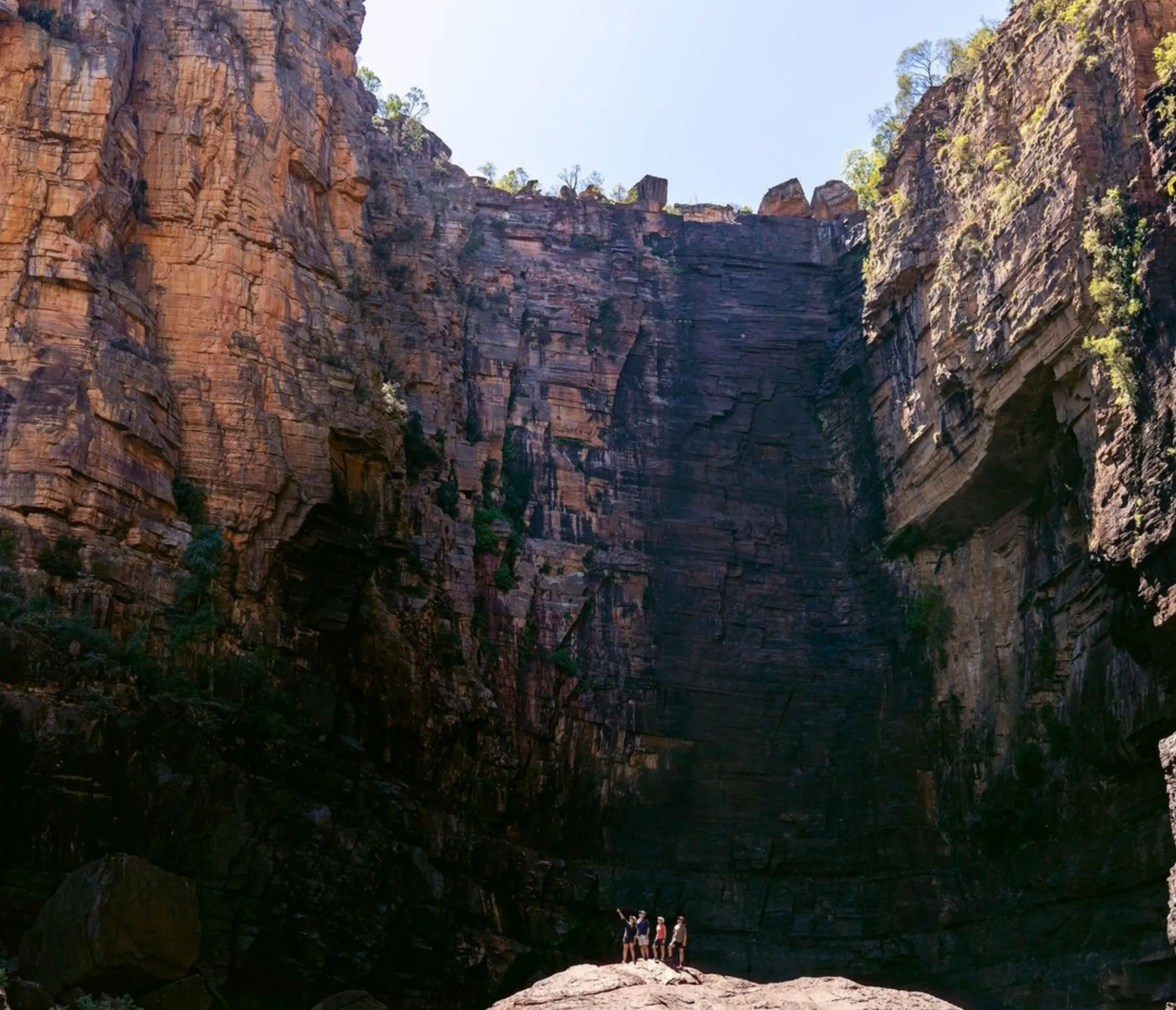
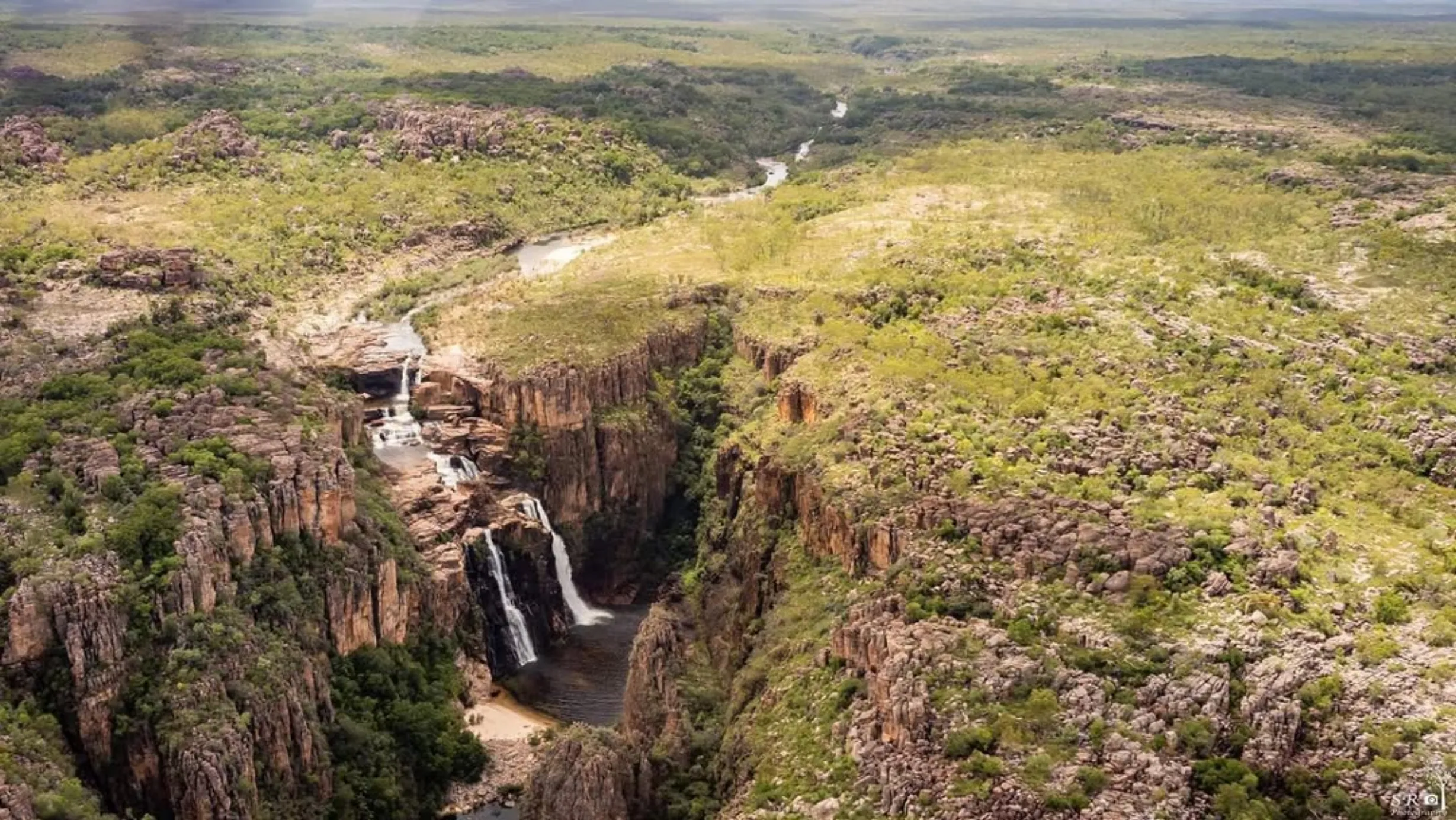
- Jim Jim Falls & Twin Falls – Stunning waterfalls best visited during the dry season.
- Gunlom Falls – A perfect spot for a picnic lunch with breathtaking views.
- Bowali Visitor Centre – Provides educational resources on the natural values and cultural values of the park.
- Nourlangie Rock & Ubirr – Famous for ancient rock art and archaeological sites.
- Scenic Flights – Offers an aerial view of Kakadu’s vast landscapes, especially after the heavy rains.
- Koolpin Gorge (Jarrangbarnmi) – A remote paradise with barramundi creek and serene pools.
Best Time to Visit
Dry Season (May – October)
- Ideal for exploring Jim Jim Falls, Twin Falls, and Gunlom Falls.
- Excellent for scenic flights over Arnhem Land.
- Cooler temperatures, making it perfect for picnic lunches and hiking.
Wet Season (November – April)
- Floodplains come alive with heavy rains and an abundance of water.
- Crocodile warning signs are prevalent, as rivers swell with muddy water.
- Many roads close due to climatic extremes.
Threats & Conservation Efforts
- Crocodile Hunting & Invasive Species – Once widespread, crocodile hunting is now banned to protect crocodile populations. Invasive species like Asian water buffalo threaten the park’s delicate balance.
- Cultural Preservation – The Indigenous people continue to manage the land, ensuring the survival of their Aboriginal views and connection to land.
Conclusion
Kakadu National Park is a stunning combination of natural, cultural and landscape values. From scenic flights over Arnhem Land to Aboriginal rock art galleries and living Aboriginal culture, this Northern Territory treasure is a must see. Whether you visit in the dry season for waterfalls or the wet season for wet season rains, Kakadu is an adventure of a lifetime in the heart of Australia. Many visitors opt for guided Kakadu tour through Wildlife Tours which offer expert led Kakadu Tours and surrounding areas.
FAQ
When is the best time to visit Kakadu National Park?
The best time to visit Kakadu depends on what you want to see. The dry season (May – October) is perfect for hiking, waterfalls and scenic flights, the wet season (November – April) brings dramatic landscapes, wildlife and wet season rains.
Are there crocodiles in Kakadu National Park?
Yes, Kakadu has saltwater crocodiles (C. porosus) and freshwater crocodiles (Crocodylus johnstonii). Always watch for crocodile warning signs, especially around muddy water and billabongs. The award-winning Yellow Water Billabong cruise is one of the safest ways to see these incredible creatures. For a guided and safe experience, consider joining 4 day Kakadu tours from Darwin or a 5 Day Kakadu tour to explore the region with experts who know how to navigate this beautiful and wild landscape.
What are the must see attractions in Kakadu?
Top attractions include Jim Jim Falls, Twin Falls, Nourlangie Rock, Ubirr, Yellow Water Billabong, Gunlom Falls and the Bowali Visitor Centre.
Can I visit Kakadu without a guide?
Yes, visitors can self drive Kakadu but guided 2 day Kakadu tours such as those offered by Autopia Tours will provide expert knowledge and access to some restricted areas.
What are some other places to visit near Kakadu?
Nearby attractions include Litchfield National Park for waterfalls and termite mounds and Katherine Gorge (Nitmiluk National Park) for scenic cruises and Indigenous rock art.