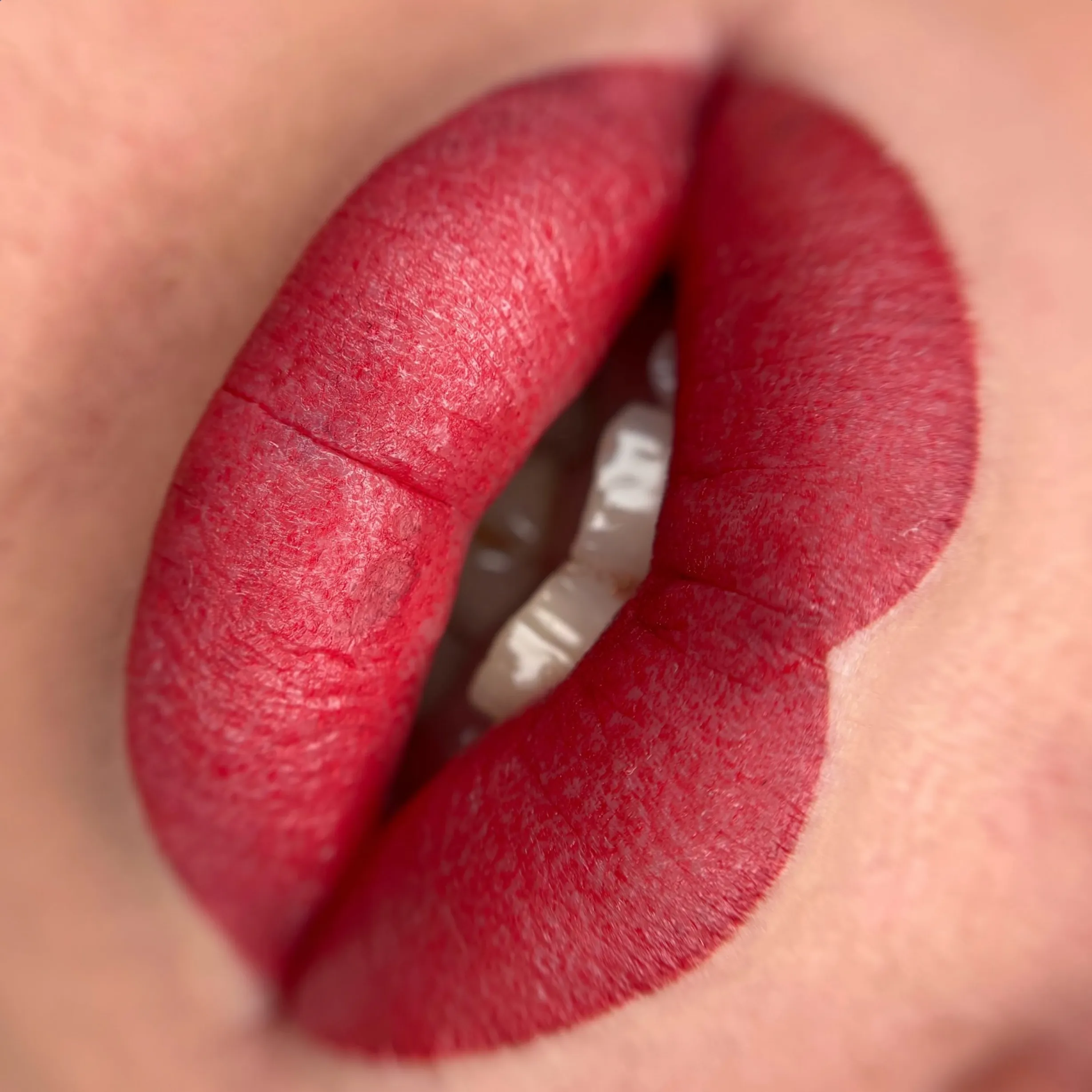
Is there a mentorship period after lip tattoo courses? That’s one of the biggest questions lots of beginner artists are asking after they’ve just finished their first round of lip tattoo courses and are stepping into the real world of cosmetic tattoo. At our Cosmetic Tattoo Studio Melbourne Face Figurati, Uliana Kasperska and our team are constantly reminding students that finishing those courses is just the first step – your confidence really starts to build in the months that follow, not while you’re in training.
And the truth of the matter is: if you want consistent, safe and pro results after any training cosmetic tattoo course, you’re going to need some good structured support.
Contents
- 1 Why Support Is More Important Than Training
- 2 What Good Support Looks Like
- 3 What Post-Training Help Should Not Be
- 4 How Long Help Typically Lasts After Your Course
- 5 Guidance is Key for Beginners
- 6 Questions We Hear All The Time
- 7 A Real Studio Experience
- 8 How To Tell If Your Trainer Offers Real Help
- 9 Get the Most
- 10 Some Final Words for New Students
- 11 FAQ
Why Support Is More Important Than Training
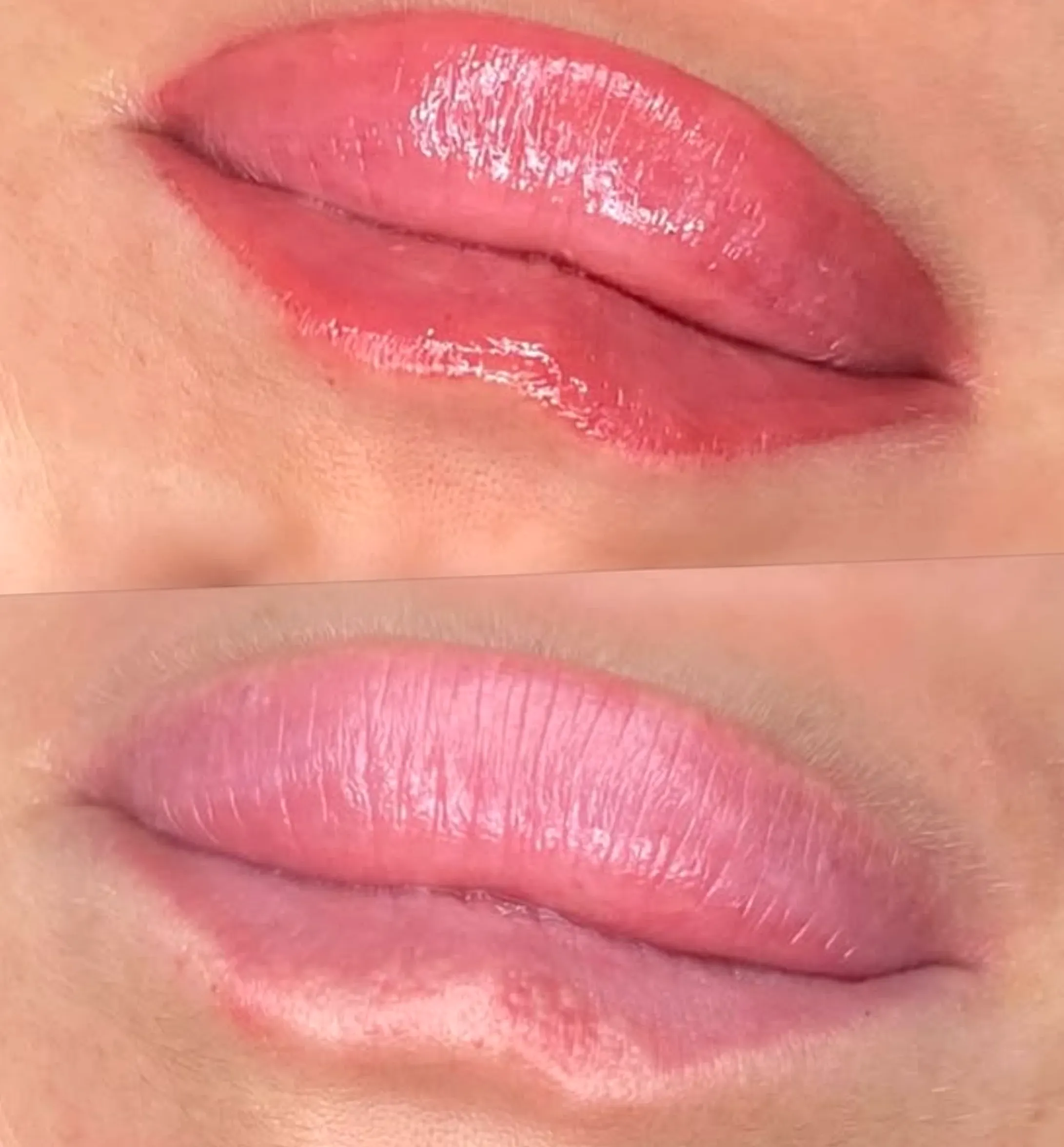
Once your certificate arrives, things start to get real. Working on live models in class can give you a pretty false impression of what it’s actually like to tattoo your first real paying clients. When that happens, the questions start pouring in, and that’s when good support starts to become way more valuable than any lecture or theory module.
Having some strong post-training guidance really helps you out with:
- Figuring out why healed lips differ so much from one client to another
- Getting reassurance when early results start to look patchy or soft
- Getting a clear understanding of pigment choice, undertones and how that stuff shifts over time
- Getting some advice on dealing with Brisbane’s humidity, sun, and active lifestyles
This is the point where your technical skills meet the real world. Boy, it can be a bit of a shock.
What Good Support Looks Like
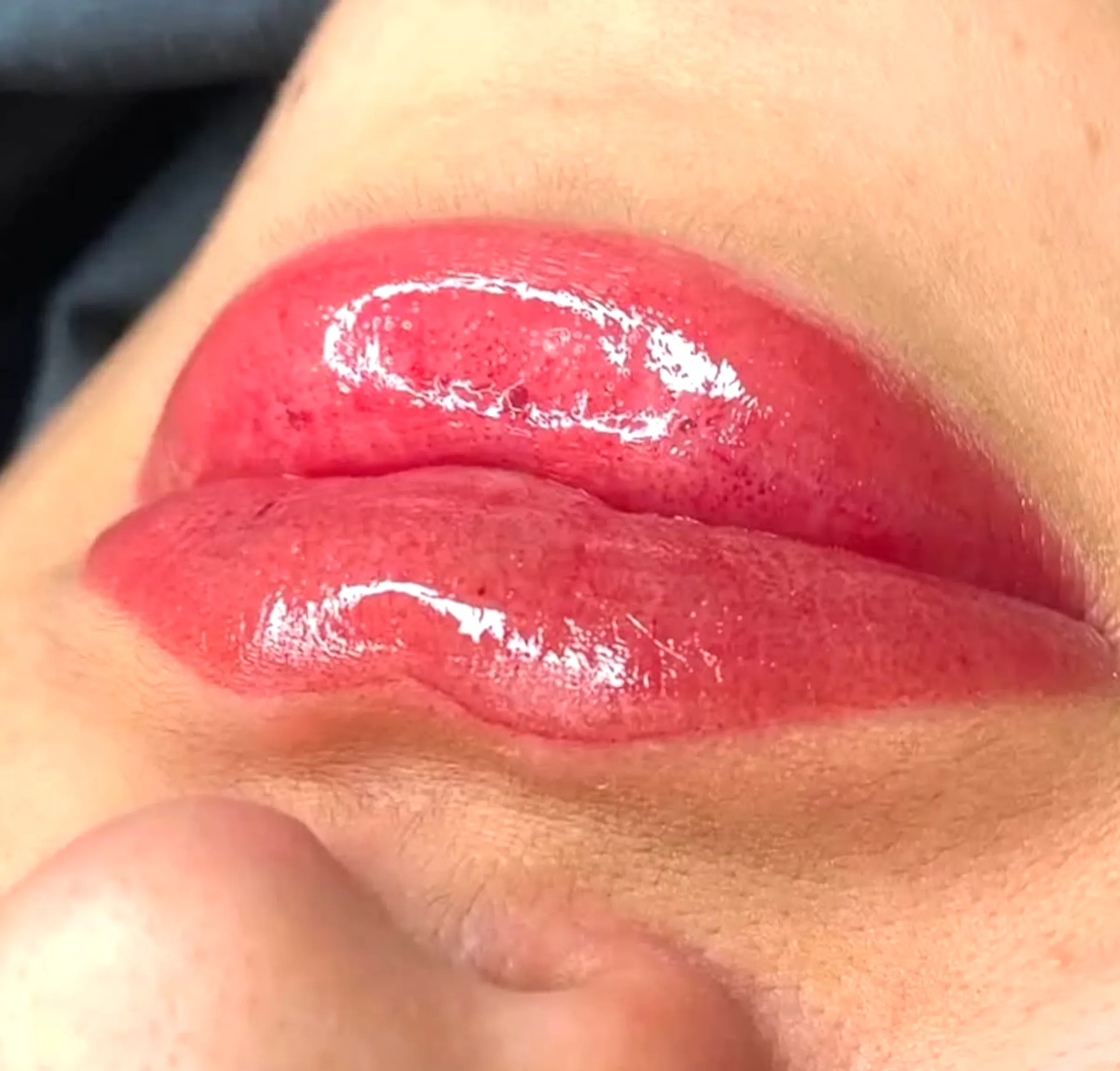
A reputable training organisation shouldn’t just disappear once your certificate’s printed. They should stick with you through your first few clients and help translate all that classroom knowledge into top-notch cosmetic tattoo courses.
Here’s what good support really looks like :
1. Photo Feedback On Early Clients
You’ll be sending over things like your mapping, pigment choices, first passes, saturation passes and healed results. It’s completely normal for beginners fresh out of lip tattoo courses to need some feedback on stretch, depth and pigment density.
2. Lifeline Support When Real Problems Appear
The first month is full of surprises, like:
- Uneven saturation
- Swollen borders
- Unexpectedly cool or warm heals
- Melanin-rich lips are doing all sorts of weird stuff under the pigment
This is where practical, on-the-nose guidance is absolutely crucial.
3. Case Study Breakdown For Your First Clients
Sometimes the technique issue isn’t where you’d expect it. Support helps you spot patterns, correct errors early on, and avoid building up bad habits.
4. Healing Guidance Based On Climate & Skin Type
Brisbane heat, lifestyle and UV exposure – all of these impact the final result. Proper after-training support makes sure you adjust your client care accordingly.
What Post-Training Help Should Not Be
Even the best training course can’t promise you unlimited, unrealistic assistance. Good support is structured – not endless re-teaching.
It shouldn’t:
- Reteach entire modules for free
- Promise 24/7 messaging access
- Supervise an unlimited number of models
- Replace hands-on practice
It’s about focused guidance – not just rehashing the same old course.
How Long Help Typically Lasts After Your Course
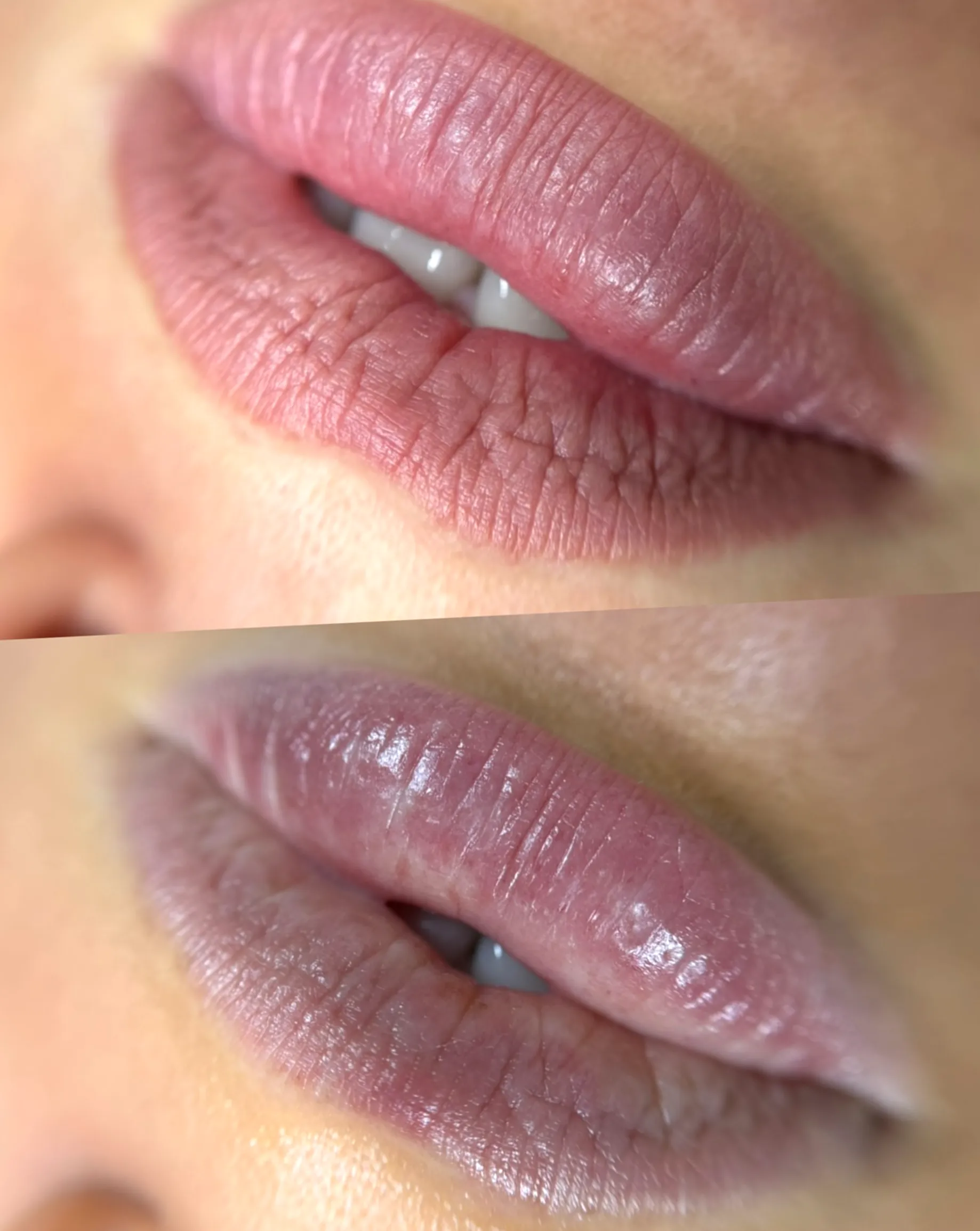
Most respected educators tend to offer 4–12 weeks of structured support. It really depends on how intensive your lip tattoo courses were and how many live models they included.
Here’s a simple guide:
| Type of Course | Typical Mentorship Duration | What’s Included |
|---|---|---|
| 1-Day Intro | 2–4 weeks | Basic Q&A and healed checks |
| 2–3 Day Intensive | 6–8 weeks | Technique feedback + pigment help |
| Masterclass | 8–12 weeks | Detailed technique correction |
| Diploma-Level | Varies | Structured supervised assessments |
This ensures you don’t just learn cosmetic tattoo traning— you learn to apply it safely and consistently.
Guidance is Key for Beginners
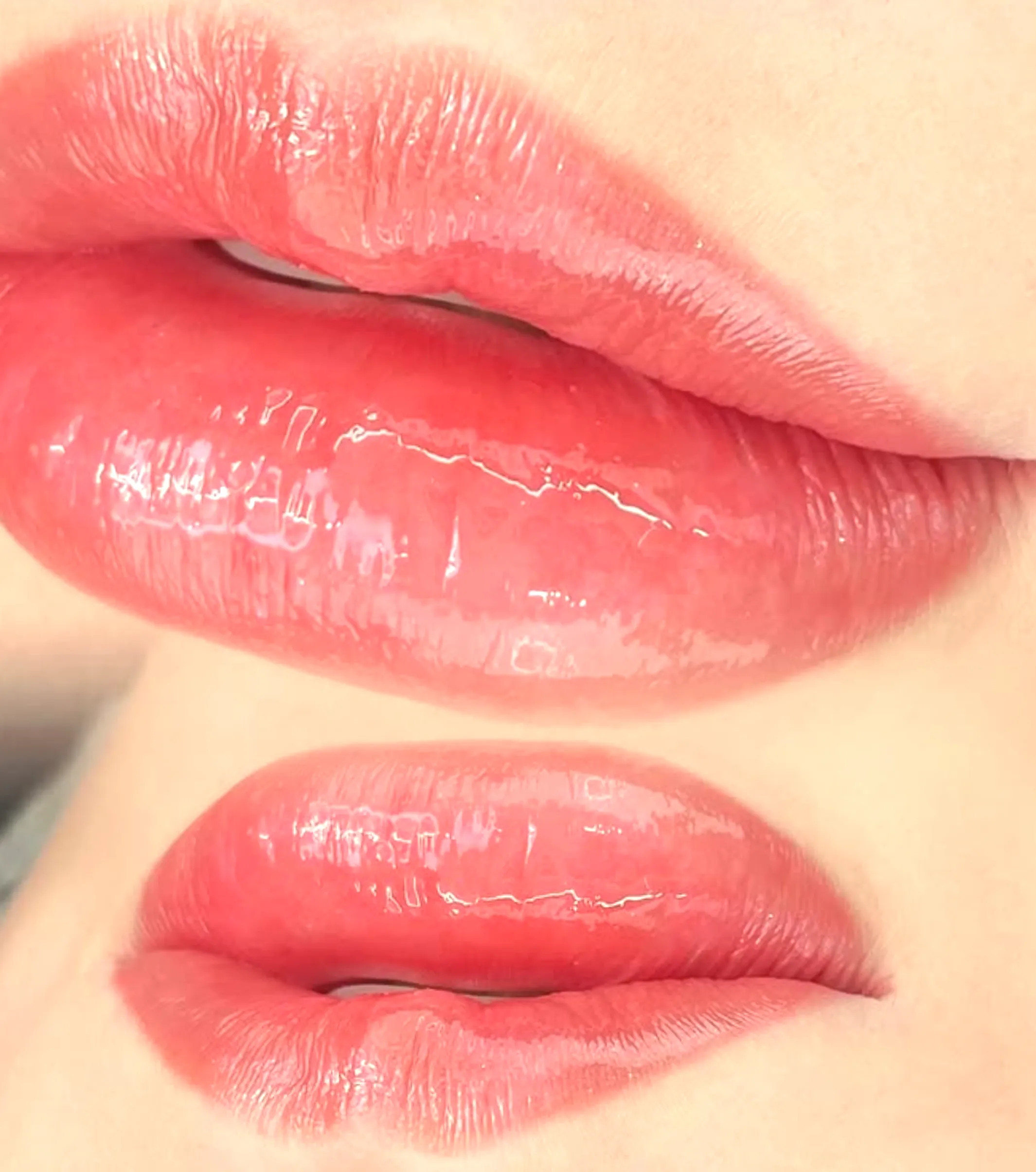
We’ve trained hundreds of new artists, and one thing keeps coming up: those who use their post-course support do twice as well as those who don’t bother trying to figure out the rest of it on their own. Let’s break that down – our 2022–2024 internal data shows that 72% of our top students got there by consistently sending in photo feedback during the support phase.
When you get proper guidance, your skills grow a lot faster.
Questions We Hear All The Time
Here are some real questions that pop up every week:
- Is this dark patch normal?
- Did I stretch properly in that second pass?
- Why did this patch heal darker even though the pigment looked light?
- How do I adjust the pigment for this client’s skin tone?
- Is this border too soft, or did I under-shoot it?
These are all normal, predictable moments.
A Real Studio Experience
One of our students was working on a model with dark borders and uneven tone. She thought she was messing up big time. But after we looked at her process, we found the real issue – she was stretching unevenly while shading, and the client was using a strong skincare product near the mouth.
Easy fix – we sorted it out in just one support session, and her next result turned out perfectly even.
How To Tell If Your Trainer Offers Real Help
Look for these things:
- A clear, structured way of checking in
- Documented examples of real feedback
- Results from learners just like you
- People who will tell you the truth and help you get better
- A clear explanation of how to send photos and videos
And steer clear of anyone who can’t explain their support process clearly.
Get the Most
- Send lots of photos
Share the whole process, not just the final result. - Ask super-specific questions
The more precise you are, the better the guidance will be. - Record short technique videos
It shows how to do things properly. - Practice between clients
With latex, it’s a lot easier for your trainer to tell if your hands are in the right position. - Stay consistent
If you take too long off, you’ll really slow down.
Some Final Words for New Students
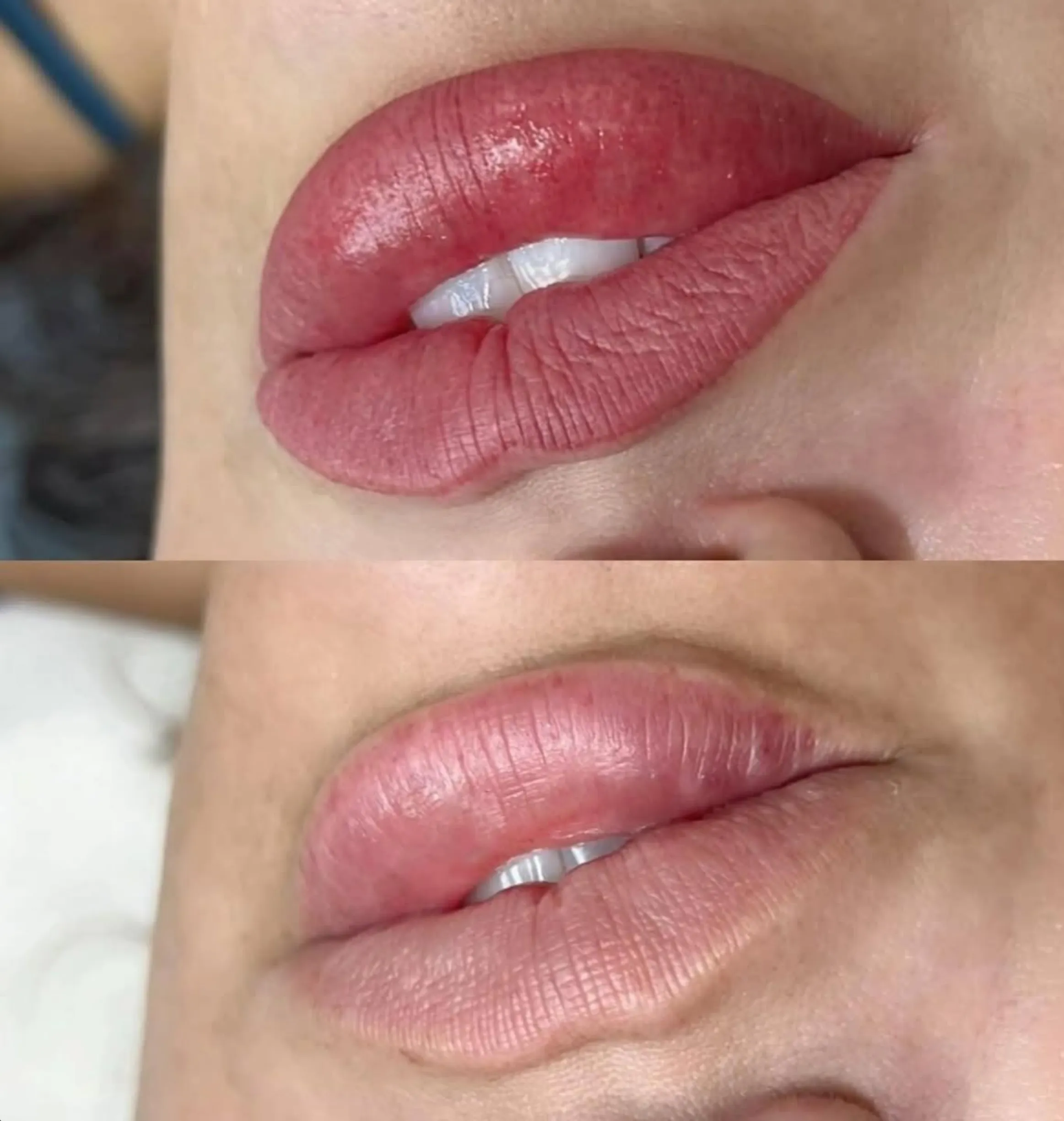
When you’re choosing a lip tattoo course, make sure you pick the one that offers real support – that’s where the real learning happens. Brisbane’s climate, skin tones and active lifestyle all affect how cosmetic tattoos heal, and you deserve a trainer who knows that.
FAQ
Do All Lip Tattoo Courses Offer Support Afterwards?
No – many don’t, or they just make some vague promises that don’t add up.
Do You Need Guidance if You’ve Already Done Cosmetic Tattoo Courses?
Yes – that’s where most of your skill development will happen.
Does Support Include Help with Colour Theory?
Good courses will guide you through undertone matching and colour shifts.
Can You Ask for More Support After the Initial Period’s Up?
Most trainers will sell you an extra support package, or you can pay for it.
Do I Need Extra Support if I Pick Things Fast?
Believe it or not, even if you learn quickly, you can still make some pretty dumb mistakes – guidance keeps you out of trouble.