When clients sit in my chair and quietly ask, “Sevine… Is natural or chemical skincare better?”, what they’re really getting at is – will this finally give me the calm, clear, healthy glowing skin that’s been evading me, especially if I’ve got sensitive skin, a skin condition or just a skin barrier that feels overwhelmed all the time. In this article, which is better: natural or chemical skincare? I’m going to give you the llowdownon what works and what doesn’t, just like I do when I’m chatting with clients at The Facial Hub in Brisbane.
Many of my clients have a major epiphany when they try facials that cleverly combine science and nature – it’s like a whole new world opens up.

Contents
- 1 Why This Question Matters More Than Ever
- 2 Understanding Ingredient Origins
- 3 Plant-Based Formulations: Beautiful, But Not Always Predictable
- 4 Lab-Created Ingredients: Designed For Precision And Stability
- 5 Ingredient Type Performance Overview
- 6 Australian Skincare Trends (2026)
- 7 How Brisbane’s Climate Changes Your Skin’s Needs
- 8 Common Misunderstandings of Clients
- 9 Choosing Skincare for Your Skin
- 10 Supportive Suggestions By Skin Behaviour
- 11 How Treatments Reveal Skin Needs
- 12 Skincare Industry Changes in 2026
- 13 The Calming Truth About Skincare
- 14 FAQ
- 14.1 Are natural products really better for sensitive skin?
- 14.2 Can I mix natural and synthetic ingredients in the same routine?
- 14.3 Are synthetic ingredients poisonous in the long term?
- 14.4 Do natural ingredients cause endocrine disruption?
- 14.5 Is mineral sunscreen with zinc oxide considered natural?
Why This Question Matters More Than Ever
Your skin is more than just a pretty face – it’s an organ that’s got to deal with the heat, your hormones, stress and exactly how you use your skincare products. Then add in Brisbane’s humidity, those nasty UVB rays and the ‘natural everything’ trend – and you can see why skin can get so overwhelmed.
More than ever, people are after safe skincare products – whether they’re made from natural plant extracts or synthetic ingredients – and they want skincare routines that actually fit into their real lives, not just some marketing myth. A client recently told me they booked a hydrafacial at The Facial Hub because they were fed up with products that sometimes helped and sometimes made their skin go haywire.
Understanding Ingredient Origins
It’s time to cut through the nonsense. The truth is, everything is a chemical – even the Aloe Vera in your garden or the floral waters you chuck into your DIY mists. What people really want to know is: are natural-ingredient skincare products, or those made in a lab, better for their skin barrier? The answer depends on your skin type, your goals, and any sensitivities you may have. I get some of my best insights from the lift & sculpt facial at The Facial Hub compounds.
Plant-Based Formulations: Beautiful, But Not Always Predictable
Nature has given us some incredible ingredients: green tea, grapevine shoots, vegetable oils, essential oils and plant extracts that are chock-full of antioxidants that mop up free radicals – these can be super soothing, nourishing and helpful – especially for dry or reactive skin types. But, sadly, these products can also irritate sensitive skin, especially if you’re using a lot of essential oils or unrefined botanicals.
It’s happened to me loads of times during LED light therapy at The Facial Hub – I see a bit of redness pop up around areas where the skin has been sensitised by plant compounds.
Lab-Created Ingredients: Designed For Precision And Stability
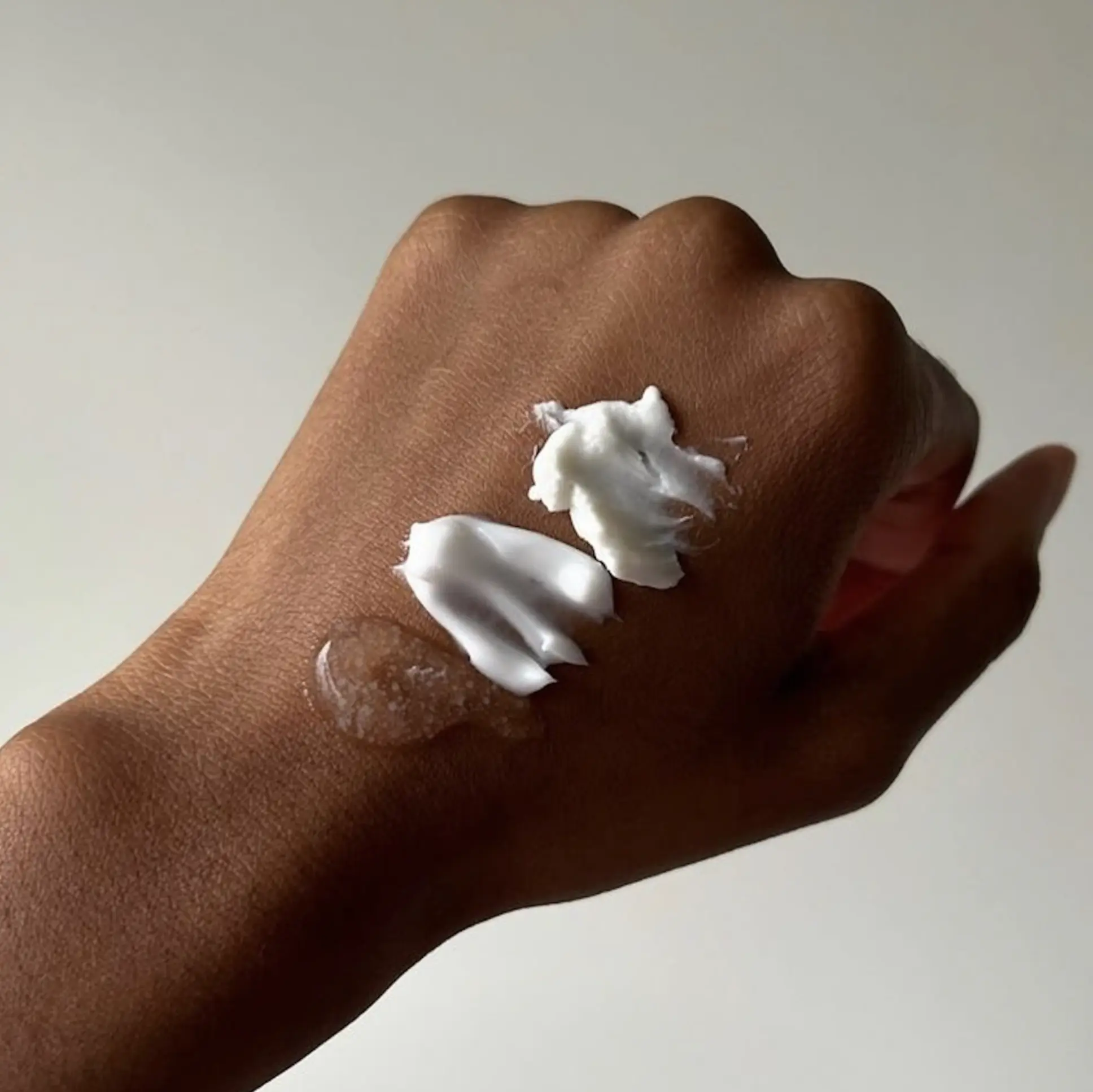
Synthetic ingredients – the ones that get bashed in the media – are often developed by a cosmetic chemist, so they’re predictable, stable and just plain targeted. They’re a key part of treatments for fine lines, dark spots, and congestion, and they build your skin’s resilience – and they always work with nature, never against it. In fact, many of these synthetic ingredients are gentler than raw botanicals because they’re purified, refined, and formulated to be non-irritating.
Ingredient Type Performance Overview
| Feature | Plant-Based or Naturally Derived Ingredients | Lab-Made or Synthetic Ingredients |
|---|---|---|
| Stability | Can oxidise (especially essential oils & vegetable oils) | Highly stable, controlled formulations |
| Irritation Risk | May trigger reactions in sensitive skin | Lower irritation due to controlled composition |
| Effectiveness | Nourishing, antioxidant-rich | Excellent for treating dark spots, fine lines, and uneven tone |
| Consistency | Varies with harvest and climate | Identical in every batch |
| Best Use Cases | Soothing, hydrating, barrier-repair routines | Targeted treatment for complex skin conditions |
Australian Skincare Trends (2026)
A national consumer review from 2026 said:
- 62% of Aussies like to mix and match natural and synthetic ingredients.
- 78% of people noticed an improvement when using both.
- When it comes to sensitive skin, people are 34% more likely to experience a reaction to essential oils than to
That’s exactly what I see daily, giving hands-on facials, and that’s when the skin really reveals what it needs.
How Brisbane’s Climate Changes Your Skin’s Needs
The weather in Brisbane affects everything: moisture levels, sensitivity, oil production, and how fast products break down. Heavy plant oils can trap sweat, while lightweight synthetic humectants may perform better in humid conditions.
And as for UV exposure, zinc oxide is a top choice – not because it’s “natural” (even though that does sound good!) but because it’s got decades of science backing up its UVB protection.
At The Facial Hub in Brisbane, the customised treatments make it clear which combinations your skin loves.

Common Misunderstandings of Clients
Skincare myths often come from marketing rather than lived experience, so it’s important to clear them gently but honestly.
Natural Ingredients Are Always Gentler
Don’t get me wrong, essential oils can be lovely, but they can also cause irritation, and some people find a well-formulated synthetic serum is a better option.
Synthetic Means Harsh
Many synthetic ingredients actually mimic structures that already occur in the skin. They’re not as scary as they sound!
Natural Products Can’t Disrupt Hormones
Just because a product is “natural” doesn’t mean it can’t have an impact. Some botanicals can actually behave like endocrine disruptors, so just be aware.
If It’s Organic, It Must Be Good For Sensitive Skin
Not always true. Some raw plant compounds can be quite intense on compromised skin barriers.
A Tingle Means It’s Working
Actually, a tingle just means your skin is reacting – sometimes positively, sometimes not at all. Don’t go by that as a measure of success.
Choosing Skincare for Your Skin
When I create routines or perform treatments such as a corrective mask or a hydrating massage, I can see how your skin responds.
A hydrafacial at The Facial Hub often reveals dehydration hidden beneath surface oiliness, while a botanical-rich mask shows whether your skin enjoys or resists plant extracts.
Supportive Suggestions By Skin Behaviour
For Breakouts Or Congestion
- Go for salicylic acid, synthetic niacinamide
- Support with a bit of green tea and gentle Aloe Vera
For Sensitive Or Reactive Skin
- Give it a hand with ceramides and peptides
- Use calming plant extracts (chamomile, licorice) to soothe
For Ageing Concerns Or Fine Lines
- Lean on retinoids and peptides
- Pair with some nourishing vegetable oils and antioxidant botanicals
For Pigmentation Or Dark Spots
- Use stabilised vitamin C and azelaic acid
- Support with some grapevine shoots and green tea
Your skin rarely wants “all-natural” or “all-lab-made.” It usually just wants a blend that makes sense for its current context.
How Treatments Reveal Skin Needs
Inside the treatment room, your skin tells a much clearer story than any product label – and it’s easier to read than you think. During a facial. For instance:
- Are those plant extracts brightening your complexion or making you look flushed?
- Are those synthetic humectants absorbing evenly, or is your skin just rejecting them?
- Does your skin barrier love the bioactive compounds that are being slathered on, or does it push them right back out again?
A lift & sculpt facial at The Facial Hub is often the first time people notice how imbalanced their skin is, even when they’ve been following a home skincare routine.
obtain more potent plant extracts that are less likely to irritate and muchLED light therapy at The Facial Hub is an instant game-changer – you can see right away how inflammation responds to the controlled wavelengths, as opposed to some herbal oil that might be exacerbating the issue.
Skincare Industry Changes in 2026
The world of skincare is changing rapidly, which is great news for all of us who are trying to figure out what works best for our skin in the long term.
Bio-Identical Tech
Lab-made ceramides that mimic the natural lipid structure of your skin – not that different from what your body would produce naturally.
Micro-Dosing Actives
Lower concentrations of actives, but with a much lower risk of irritation, which is especially important for people with sensitive skin.
Advanced Botanical Extractions
We can now obtain more potent plant extracts that are less likely to irritate and much more consistent in their performance.
Better Sunscreen Innovation
Zinc oxide dispersions that don’t leave a weird residue on the skin – and yet they still provide great protection against UVB.
Hybrid Formulations are On The Rise
Brands are now mixing natural and synthetic ingredients on purpose, rather than presenting them as these binary opposites – which is why you’re seeing so many more effective formulations out there.
These new developments closely mirror the results I see every week: when people combine their home routines with treatments like hydrafacial at The Facial Hub or a targeted barrier-repair hydrafacial.
The Calming Truth About Skincare
So… does natural, or synthetic, have to be one or the other? Honestly, not really. It’s about finding what your skin prefers – some days it’s plant oils, other days it needs a bit of lab-made support. And your routine should change with the seasons, your lifestyle, and your internal rhythms.
If you’re looking for guidance, I’m here to help you understand your goals and any sensitivities you may have, and what your skin is trying to tell you. The Facial Hub in Brisbane is my home turf – come on in anytime and let’s have a chat.
FAQ
Are natural products really better for sensitive skin?
Not necessarily. While some people can use essential oils, floral waters, and raw plant extracts without breaking out in a rash, others may experience a reaction. In fact, synthetic ceramides are often a better bet.
Can I mix natural and synthetic ingredients in the same routine?
Absolutely – and most people find it’s the combination that really works for them. Especially if you’re trying to tackle hydration, fine lines or dark spots.
Are synthetic ingredients poisonous in the long term?
No – cosmetic chemists formulate them for safety and to last. What really matters is how you use them, your skin type, and the concentration.
Do natural ingredients cause endocrine disruption?
Some plant compounds can mimic hormones in the body – and “natural” definitely doesn’t mean “hormone-neutral”.
Is mineral sunscreen with zinc oxide considered natural?
Now, I know some people like to claim that zinc oxide is a natural ingredient, but when it comes down to it, it’s a mineral that’s been processed for cosmetic use – so not really. But it’s definitely safe and super effective.