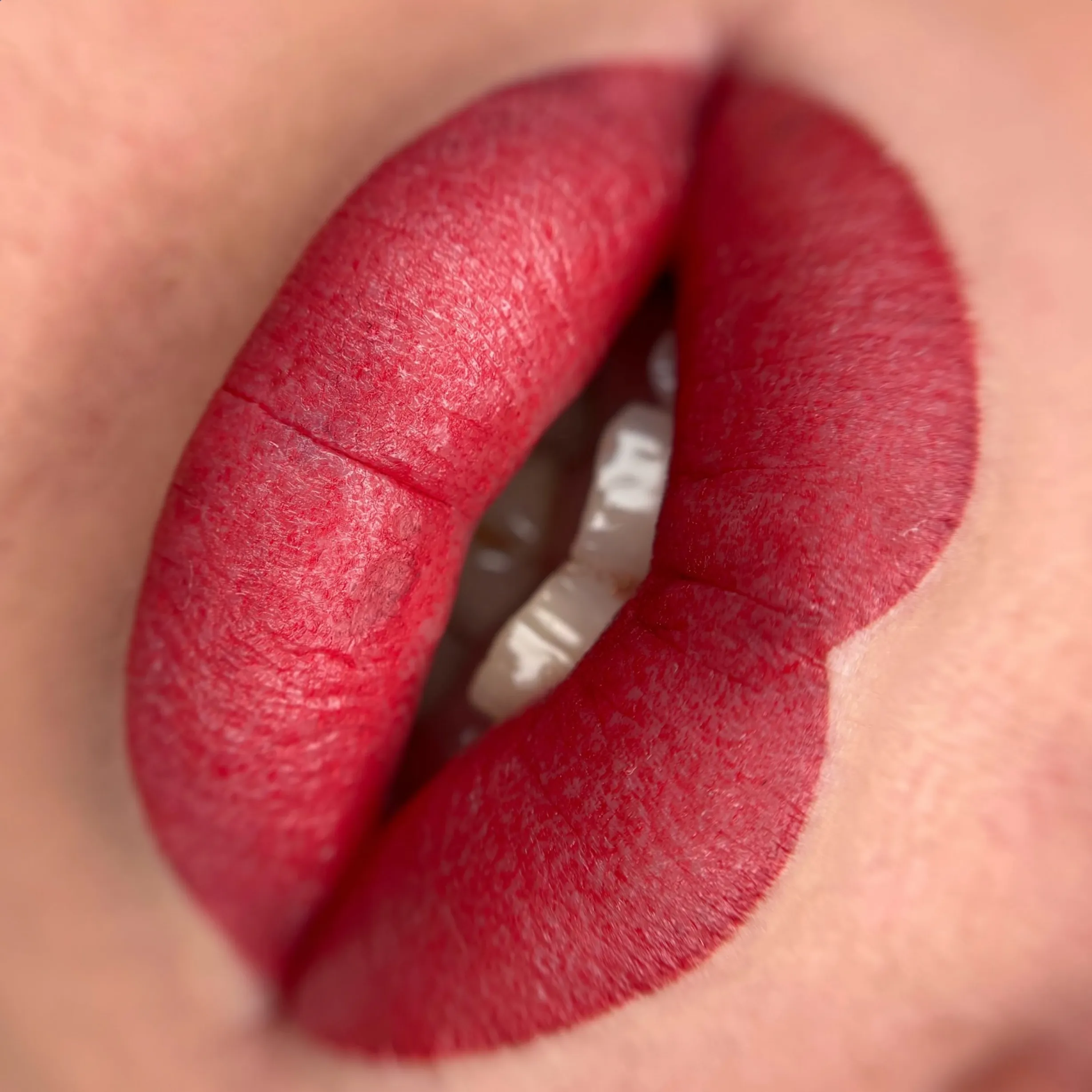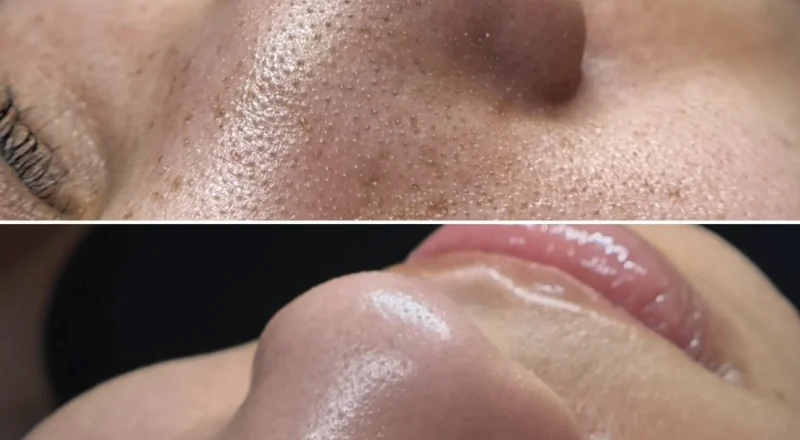
Biomimetic vs. chemical peels: which is better for sensitive skin? It’s a question I get asked all the time in the clinic – usually from someone who’s been a bit roughed up by their skin already. And I totally get it. When your skin is as fussy as you are, the idea of slapping on a chemical peel can be pretty daunting.
At The Facial Hub skin clinic in Brisbane, I see it every single day – clients walking in unsure whether to play it safe or go for broke. And honestly, from what I’ve seen, the answer isn’t some one-size-fits-all solution – it’s all about understanding what’s going on with your skin barrier first. So let’s break it down in a way that makes sense (without buying into every new skincare fad out there).
Contents
- 1 Why Sensitive Skin Needs A Different Approach
- 2 The Gentle Science Behind Barrier-First Treatments
- 3 When Stronger Resurfacing Methods Are Useful
- 4 The Reality In Clinic
- 5 Key Differences In Results, Downtime, And Skin Impact
- 6 How Results Build Over Time
- 7 Ingredient Myths That Confuse People
- 8 Brisbane Skin Realities You Can’t Ignore
- 9 Why Professional Standards Matter More Than Trends
- 10 What I Recommend For Long-Term Skin Health
- 11 Pricing And Practical Considerations (Brisbane Context)
- 12 Aftercare Makes Or Breaks Your Results
- 13 Final Thoughts From My Treatment Room
- 14 FAQ
Why Sensitive Skin Needs A Different Approach
Before we even start comparing treatments, we need to talk about what sensitive skin actually means – because the term gets thrown around a bit too loosely in my opinion.
Sensitive skin isn’t a skin type; it’s a condition. It’s a sign that your skin barrier is compromised and your skin is reacting differently than it should. And often that means it’s got other issues going on, like acne, hyperpigmentation, or redness triggered by stress and the environment. Down here in Brisbane, the sun and humidity can sneak up on you and cause a whole lot of trouble without you even realising it.
It boils down to a few key issues: disrupted cell turnover, reduced collagen production, and uneven skin tone, all of which add up to skin that doesn’t look its best.
In simple terms, your skin is crying out for support, not punishment. That’s where the difference between biomimetic and traditional peels really comes into play.
The Gentle Science Behind Barrier-First Treatments
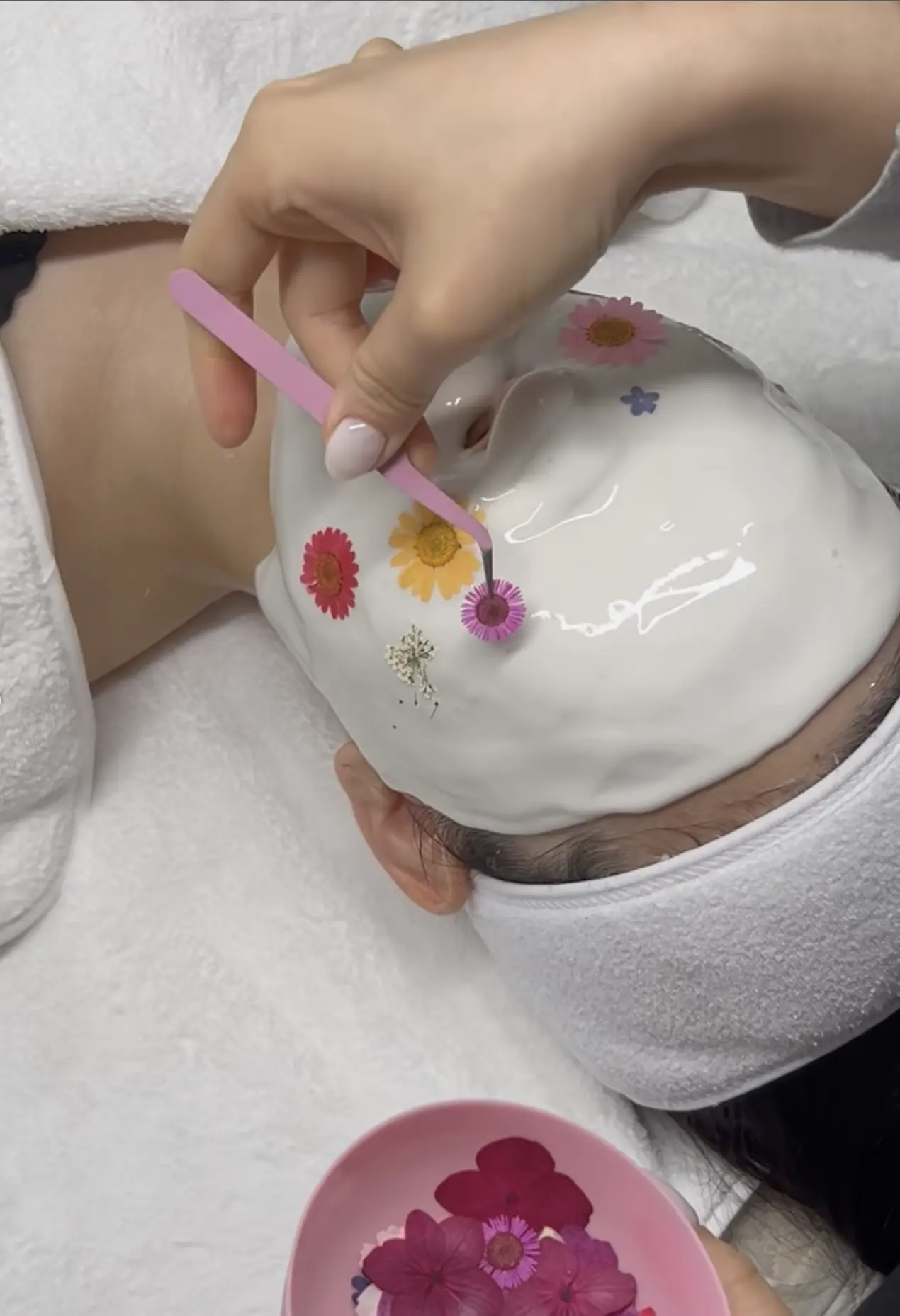
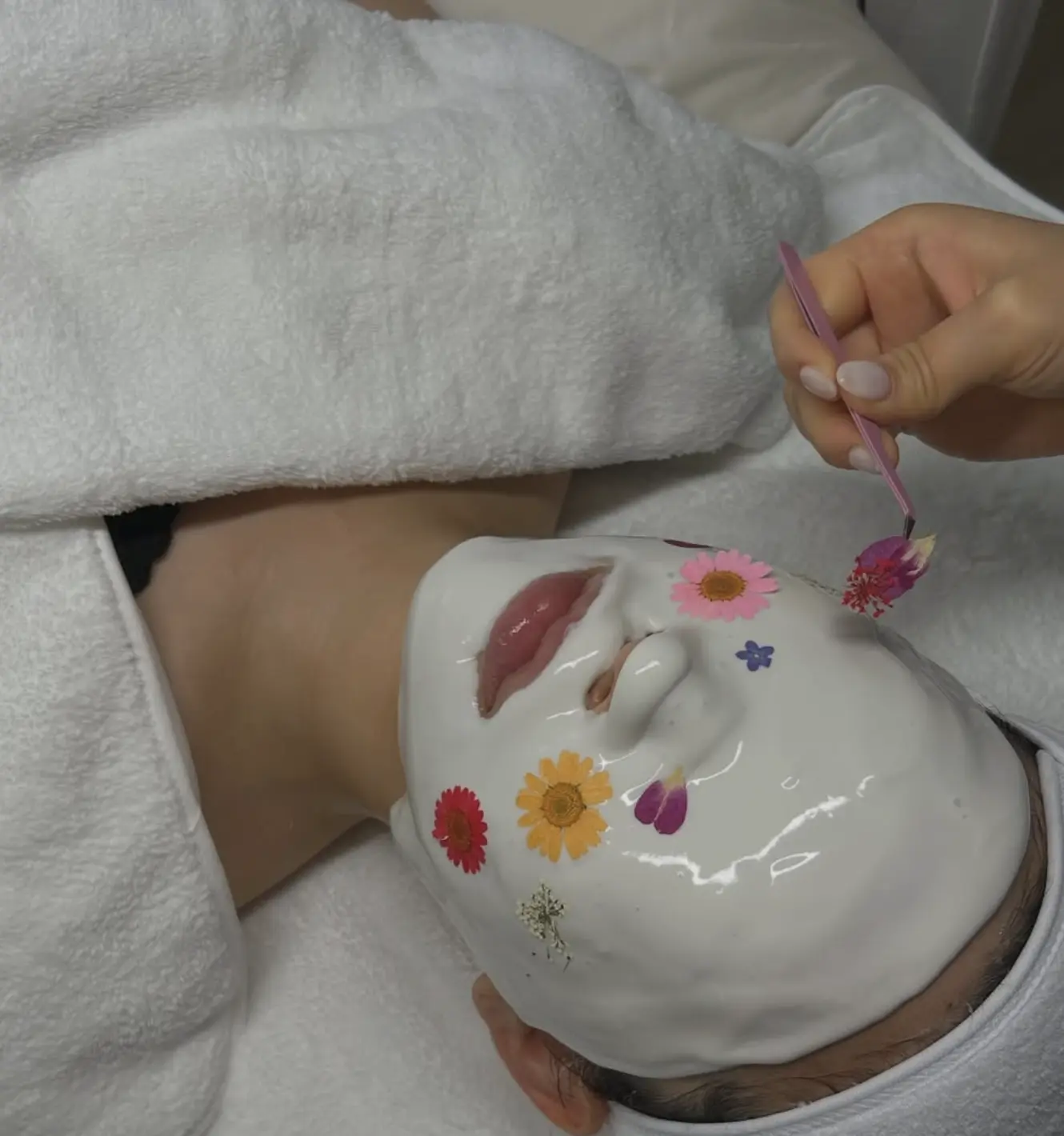
Biomimetic facials are designed to work with your skin’s natural biology – using cellular signalling and ingredients that are identical to your own skin rather than trying to force exfoliation.
These treatments use growth factors, peptides, and active ingredients that support barrier repair, encourage cellular renewal, and help get your skin back on track. Instead of ripping your skin to shreds with harsh chemicals, they work in a super gentle way to guide your skin back to where it should be.
Why Clients With Sensitive Skin Love Them
- They strengthen the skin barrier, rather than stripping it bare
- Minimal downtime after the treatment
- They encourage collagen synthesis and long-term skin resilience
At The Facial Hub, many of my clients start with a super relaxing facials that incorporates biomimetic principles before moving on to more advanced treatments. It’s a slower approach, but the results are so much more stable.
By 2026, I reckon this trend is clear: over 60% of new skincare treatments focus on barrier repair and microbiome support, not aggressive chemical peeling.
When Stronger Resurfacing Methods Are Useful
Chemical peels use strong acids or solutions to renew your skin by stripping away the top layers and getting to the good stuff underneath.
Most commonly, you’ll see people use:
- Alpha-hydroxy acid (like glycolic acid and lactic acid)
- Salicylic acid and its derivatives
- Mandelic acid for more sensitive skin
For really stubborn skin, you might need to get a bit more aggressive with the peels – a medium-depth peel using something like trichloroacetic acid might do the trick. And then there are the deep peels – these are the big guns, but not for the faint of heart – they’re usually only suitable for people with really stubborn skin that nothing else has been able to sort out.

The Reality In Clinic
I’ve got a client in mind who really overdid the peels – she was doing glycolic treatments like crazy, and by the time I saw her, her skin was so compromised that even just putting some moisturiser on made her skin sting like crazy.
The thing is, chemical peels can be pretty high-risk if you’re not careful – they can:
- Disrupt the skin barrier if overused
- Trigger postinflammatory hyperpigmentation
- Require precise client assessment and aftercare
But when done right, peels really can work wonders for acne scarring, fine lines and uneven skin tone – just make sure you’re getting a structured plan and treatment from a pro.
Key Differences In Results, Downtime, And Skin Impact
| Factor | Biomimetic Treatments | Chemical Peels |
|---|---|---|
| Approach | Supports natural skin function | Accelerates exfoliation |
| Suitability For Sensitive Skin | High | Depends on strength |
| Downtime | None to minimal | Varies |
| Barrier Impact | Strengthens | Can weaken |
| Results | Gradual, long-term | Faster, but riskier |
How Results Build Over Time
With supportive, barrier-focused treatments, changes tend to creep in slowly but surely. Within the first couple of weeks, people usually notice that their skin’s looking a bit more improved – less redness, better hydration. By the one-month mark, the skin barrier’s stronger, and the texture starts to look a lot smoother. Over time, collagen production really starts to step up a notch, leading to healthier, more resilient skin that just looks better.
In contrast, resurfacing treatments tend to deliver quicker results, but they often come with a trade-off. They can start causing a bit of redness and peeling – like, right away – and in a week you’ll start to notice your skin’s looking brighter. However, these results are super dependent on spacing out the treatments properly and taking care of your skin between sessions so it doesn’t get overwhelmed.
In my clinic, I often combine this approach with skin needling in Brisbane once I’ve got a client’s skin barrier sorted – that way we can really push collagen building without going too wild on the inflammation.
Ingredient Myths That Confuse People
There’s a heap of misinformation floating around, especially on social media – it’s all over the place basically.
“Stronger Acids Give Better Results”
Nope, that’s just not true. Overusing active acids like glycolic acid or salicylic acid just ends up damaging your skin barrier and slowing you down.
“Peeling Means It’s Working”
Not always the case. Enzyme peel treatments using natural fruit enzymes can deliver some pretty effective exfoliation without anyone even noticing you’ve had a peel.
“All Peels Are The Same”
Massive difference between superficial peels and deeper treatments – not all are suitable for sensitive skin, and that’s just a fact.
Brisbane Skin Realities You Can’t Ignore
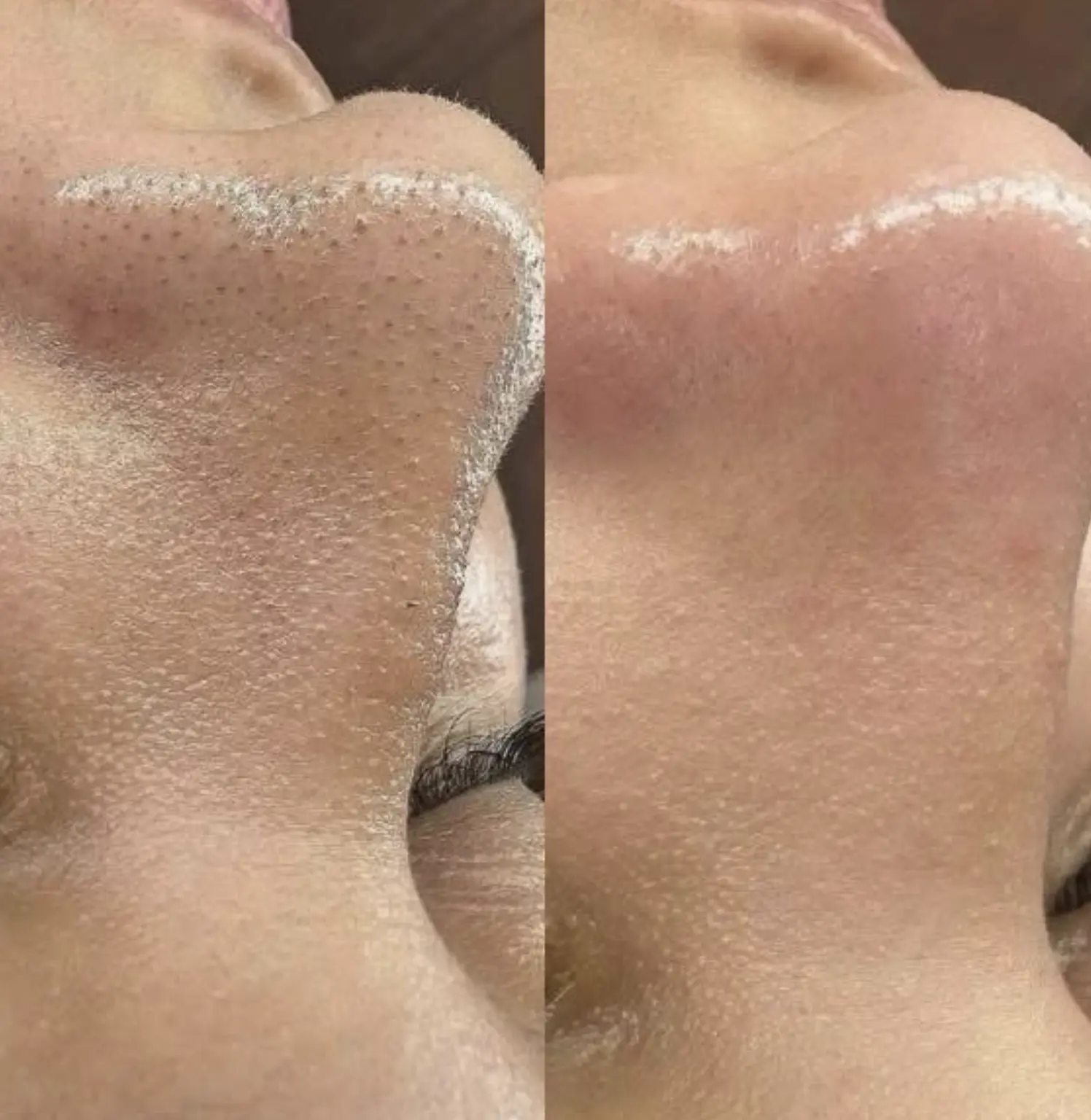
Living in Brisbane is a real challenge for your skin – the high UV exposure just makes it harder for your skin to get along, and it’s way more likely to end up with post-inflammatory hyperpigmentation after exfoliation. Humidity can play tricks on you, too – it can make your skin feel nice and hydrated when really it’s struggling along. And when the seasons get hot, it just makes everything more sensitive to active ingredients.
That’s why at The Facial Hub, I’m just super careful about getting your skin barrier sorted before introducing any more advanced treatments – even if someone comes in wanting quick results.
Why Professional Standards Matter More Than Trends
At the end of the day, no matter which approach we use, proper protocols are key to achieving lasting results.
At The Facial Hub, we:
- Create bespoke treatment plans for every single client
- Stick to rock-solid hygiene standards
- Give you the lowdown on aftercare, so you know exactly what to expect
You deserve better than just winging it and hoping for the best – your skin deserves to be taken seriously.
What I Recommend For Long-Term Skin Health
Honestly, I reckon starting gently is almost always going to work better for you if you’ve got sensitive skin.
This approach:
- Helps fix any damage to your barrier
- Gradually improves your skin’s texture and tone, so you don’t get any nasty shocks
- Properly minimises the risk of irritation
Once you’ve got your skin sorted, we might introduce some light exfoliation, or maybe even a targeted lifting facial – but never straight away.
Pricing And Practical Considerations (Brisbane Context)
Biomimetic facials: $120-$250 AUD – a relatively affordable way to get your skin in top shape.
Chemical peels: $150-$300 AUD, but it’s worth noting that prices do add up.
Many people searching for facials in Brisbane are surprised to learn that going gentle can actually pay dividends in the long run.
Aftercare Makes Or Breaks Your Results
Aftercare often gets the short end of the stick, which is a big mistake. It really is the key to making sure any treatment actually lasts.
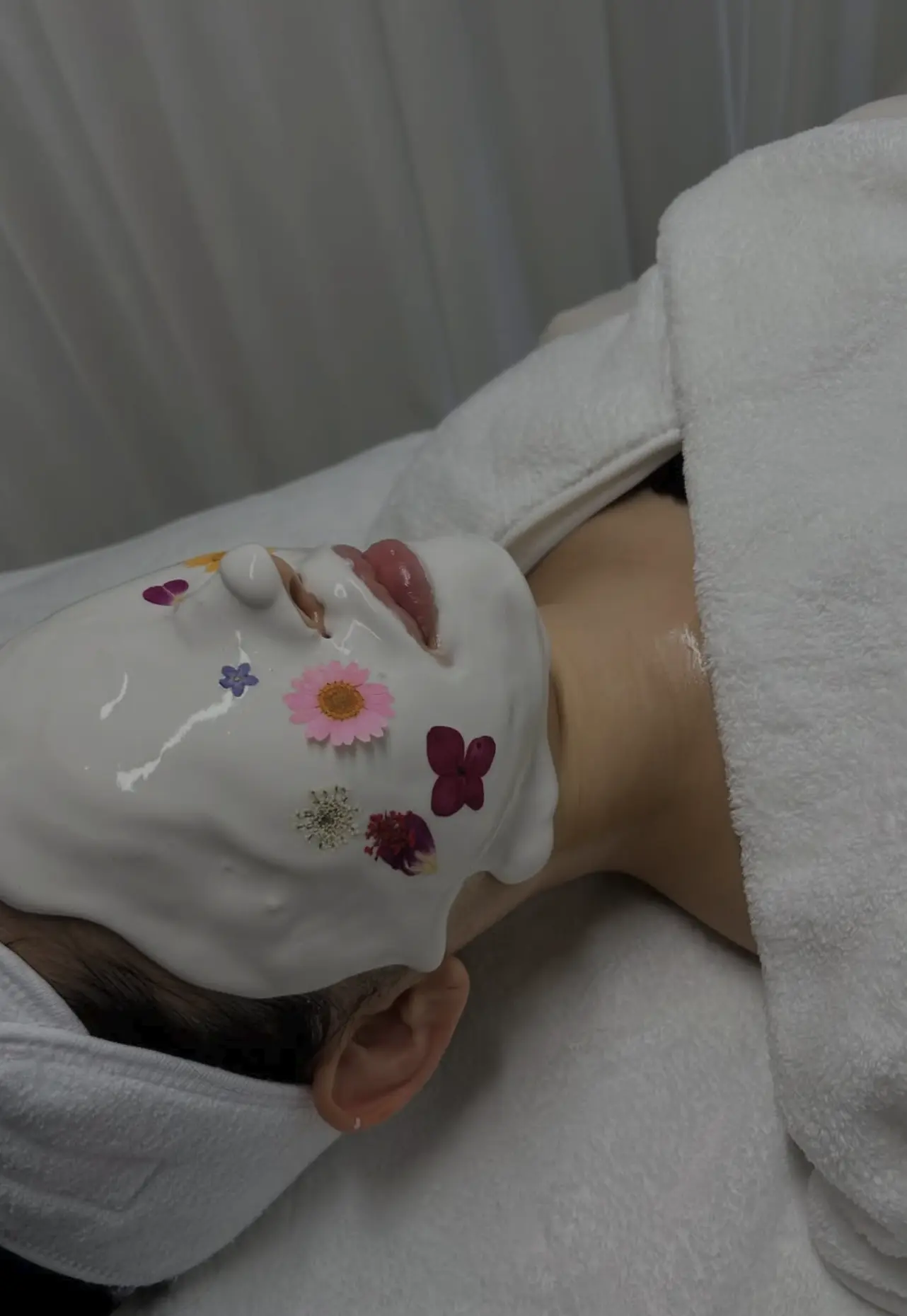
When it comes to sensitive skin, the main things to focus on are repairing the skin barrier, laying off acid treatments for a little while, and keeping your skin sun-safe daily. Without that support, even the most high-end treatments won’t quite live up to their promises.
Final Thoughts From My Treatment Room
Sensitive skin doesn’t have to be something to push through – it’s time to rebuild it.
Biomimetic treatments are a really interesting approach that puts biology and long-term health at the forefront. And don’t get me wrong, chemical peels still have their place, but they need to be used with some thought.
At The Facial Hub, we believe that a treatment should leave you feeling good – like you’ve done yourself some serious good – whether that’s a results-driven session or just some chill out time with a relaxing facial.
FAQ
Is it safe to go for stronger exfoliating treatments if you have sensitive skin?
It can be, but only if you do it right and fix your skin barrier first.
Can a gentle facial really help with acne scars?
Yeah, especially if you’re doing it alongside treatments like skin needling in Brisbane to boost collagen production.
What’s the real difference between light resurfacing and the deeper stuff?
Light treatments are all about maintenance, while the deeper treatments are more about getting to the bottom of some deeper issues – but of course, that means a longer recovery time.
How often should you be booking a facial?
For most people, treatments every 4 to 6 weeks work a treat – depending on how your skin is going.
What’s the safest way to manage reactive skin in the long term?
First, build up that skin barrier, then you can start introducing some more active treatments – under the guidance of a pro, of course.